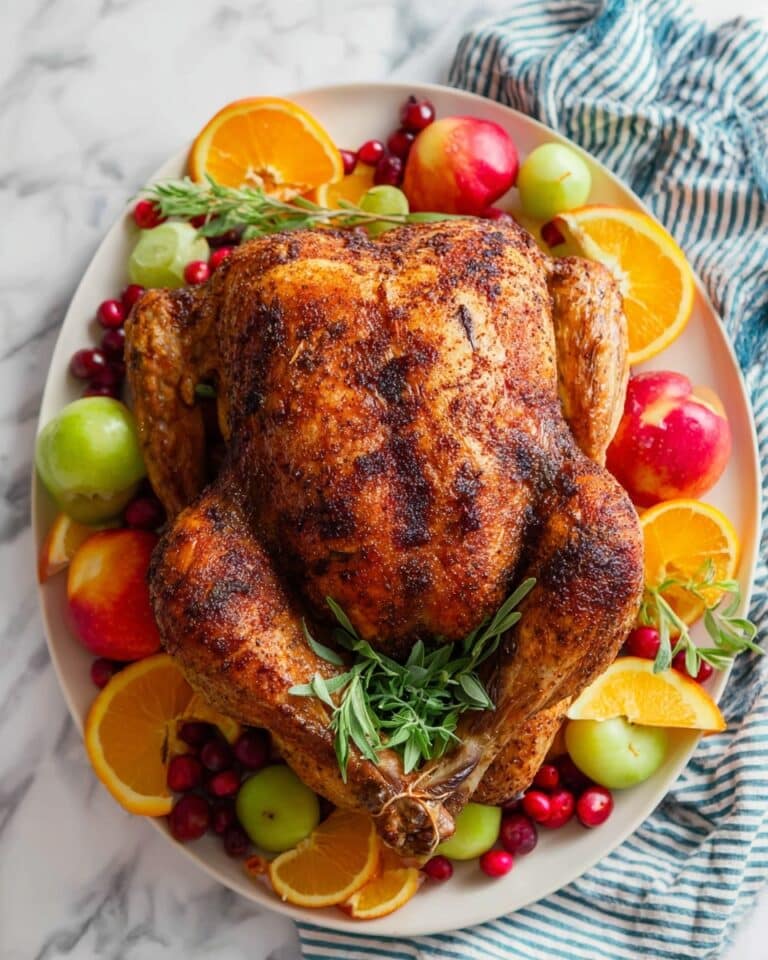

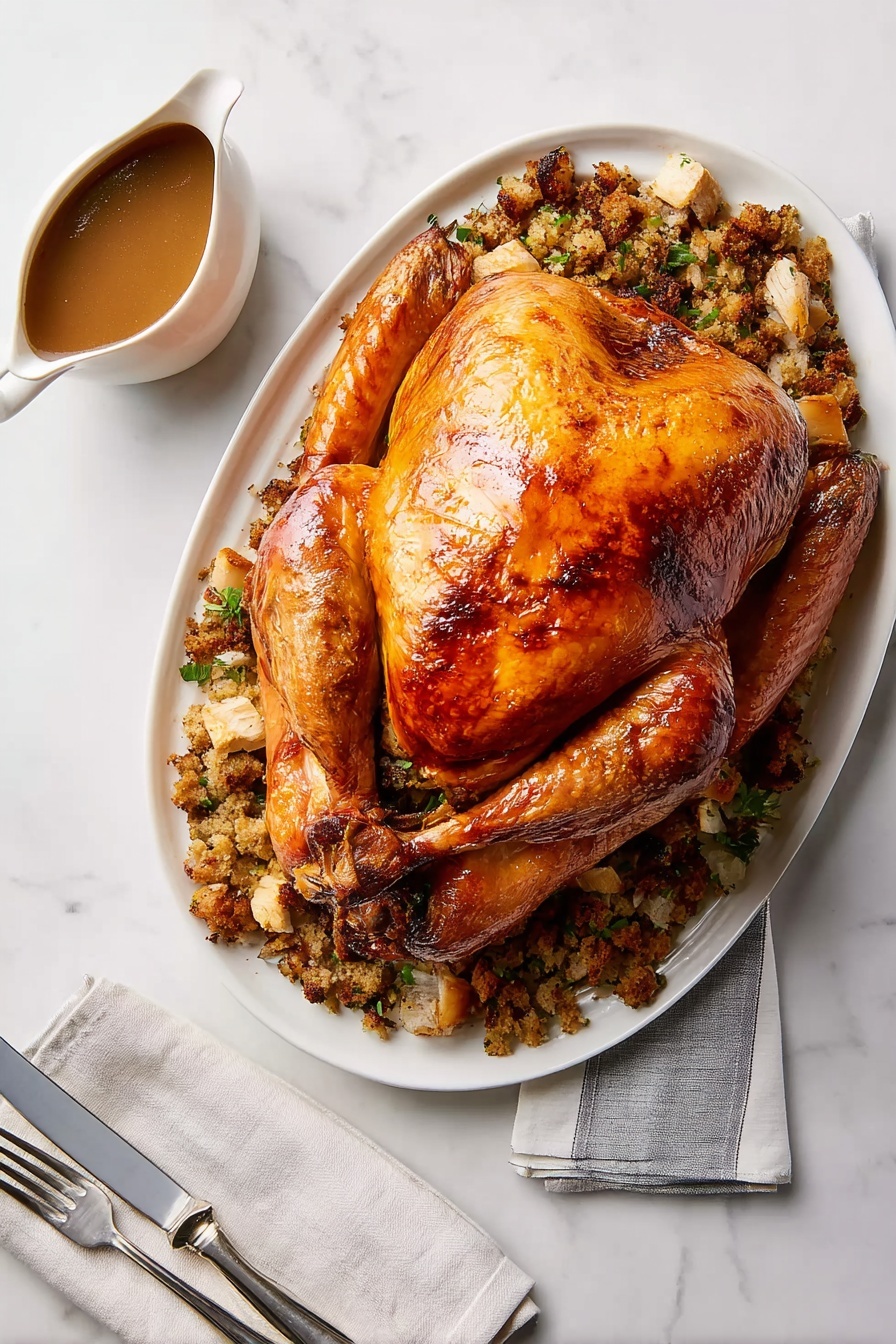
If you’re on the hunt for a tried-and-true method to get that perfectly moist and golden bird, you’ve just found it. My Cheesecloth Roast Turkey Recipe is a total game changer that I swear by every Thanksgiving and holiday season. It’s all about wrapping your turkey in butter-soaked cheesecloth as it roasts, which locks in flavor and keeps the meat incredibly tender—trust me, my family goes crazy for this technique. So grab your apron, and let me walk you through this fan-freaking-tastic way to make roast turkey shine.
Why You’ll Love This Recipe
- Juicy, Tender Meat: The cheesecloth soaked in butter and wine keeps the turkey wonderfully moist throughout the long roast.
- Even Browning: The gentle roasting method prevents dry edges and keeps the skin beautifully golden and crisp.
- Flavorful Every Bite: The wine and butter soak infuses subtle depth of flavor that makes the whole bird pop.
- Easy to Follow: This method works for large fresh turkeys, and the step-by-step instructions will give you confidence in the kitchen.

Ingredients You’ll Need
Picking the right ingredients really lays the foundation for your Cheesecloth Roast Turkey Recipe. Fresh turkey, good quality butter, and dry white wine play starring roles to keep the flavors simple but sensational. I always recommend buying a fresh turkey when possible—that’s when this recipe truly shines.
- Fresh Whole Turkey: I prefer fresh over frozen for juicier meat and easier prep—20 to 21 pounds is a perfect size for a feast.
- Unsalted Butter: Unsalted gives you total control over seasoning, plus all that butter richness helps create an amazing crust.
- Dry White Wine: Adds a subtle tang and helps keep the cheesecloth moist during roasting.
- Salt and Black Pepper: Essential aromatics that bring out the turkey’s natural flavor.
- Classic Stuffing: Optional but I love stuffing the cavity to add moisture and flavor from inside the bird.
- Kitchen String and Toothpicks: To secure wings and legs so they roast evenly.
Variations
One of the reasons I adore this Cheesecloth Roast Turkey Recipe is how easy it is to customize to suit your taste or holiday style. Whether you want to jazz it up with herbs or cater to dietary needs, it’s flexible!
- Herb-Infused Butter: I sometimes add fresh rosemary, thyme, and sage into the melted butter mix—smells heavenly and adds a rustic layer of flavor.
- Wine Alternatives: Don’t have white wine? Dry chicken broth or apple cider can be a nice swap for the cheesecloth soak without losing moisture.
- Non-Stuffed Version: If you prefer to avoid stuffing inside the bird, just roast it plain and bake your stuffing separately; the turkey stays juicy either way.
- Smaller Turkeys: If you have a smaller bird, adjust roasting times accordingly but keep the butter-soaked cheesecloth trick for best results.
How to Make Cheesecloth Roast Turkey Recipe
Step 1: Prep Your Turkey
First things first, take your turkey out of the fridge about 2 hours before cooking. It’s important to let it come to room temperature so it cooks evenly—cold poultry goes into an oven, and the outside cooks faster than the inside, which can lead to dryness. Pat it dry thoroughly with paper towels; moisture on the skin will prevent it from crisping up nicely.
Step 2: Soak Your Cheesecloth
Now, fold a large piece of cheesecloth into quarters and cut it to approximately a 17-inch square with four layers. In a bowl, mix your melted unsalted butter with dry white wine. Submerge the cheesecloth in the mixture and let it soak up all that buttery goodness. This is the magic that keeps your turkey skin tender and golden.
Step 3: Season and Stuff
Place your turkey breast-side up on a sturdy roasting rack inside a heavy pan. I always remove any pop-up timers—instant-read thermometers are way more reliable for checking doneness. Fold wing tips under the turkey—this helps them avoid burning. Sprinkle a bit of salt and pepper inside the cavity, then fill the cavity loosely with your prepared stuffing. Tie the legs together with kitchen string so the bird cooks evenly and looks nice when you carve it.
Step 4: Butter Up and Cover with Cheesecloth
Rub the softened butter all over the turkey skin, then season with the remaining salt and pepper. Gently wring the cheesecloth so it’s damp but not dripping, then spread it evenly over the breast and about halfway down the sides. You can cover some of the legs too—that’s what helps keep everything juicy and prevents the skin from drying out.
Step 5: Roast in the Oven
Place your turkey legs-first into the preheated 450°F oven for 30 minutes. Then, using a pastry brush, baste the turkey and cheesecloth with the butter and wine mixture. Lower the temperature to 350°F and continue roasting for about 2 1/2 hours, basting every half hour. Keep an eye on your pan juices—if they start to overflow, spoon some out to save for gravy later.
Step 6: Remove Cheesecloth and Brown
After 3 hours of roasting, carefully take off the cheesecloth and discard it. Turn the pan so the breast faces the back of your oven for more even browning. Baste carefully with pan juices or additional butter and wine. The skin can get fragile now, so go easy to avoid tearing. Roast for one more hour, basting once halfway through.
Step 7: Check Temperature and Rest
After 4 hours total, check the thickest part of the thigh with an instant-read thermometer—aim for 180°F. The stuffing should reach between 140°F and 160°F. If the turkey isn’t quite done, baste and give it another 20 to 30 minutes. Once it’s golden and cooked through, transfer the bird to a platter and let it rest for 30 minutes before carving—that’s crucial for juicy slices.
Step 8: Make the Gravy
While the turkey rests, pour the pan juices into a measuring cup and let the fat rise to the top, then skim it off. Place the roasting pan on the stove over medium-high heat, add about a cup of dry wine or water, and scrape up those brown bits with a wooden spoon. Add some giblet stock and boil the mixture until reduced by half. Stir in the defatted pan juices and simmer until slightly thickened. Season to taste, strain, and serve alongside your turkey.
Pro Tips for Making Cheesecloth Roast Turkey Recipe
- Let the Turkey Come to Room Temperature: I learned that roasting cold turkey ruins the texture, so give it those two hours to rest out of the fridge.
- Use an Instant-Read Thermometer: Nothing beats this tool for perfect doneness—skip the pop-up timers, they lie sometimes!
- Loosen the Cheesecloth Wring: Make sure it’s damp but not dripping, so the butter and wine stay evenly spread without dripping on the oven floor.
- Baste Gently After Cheesecloth Removal: At this point the skin is delicate; use a light hand to avoid tearing so your turkey looks as amazing as it tastes.
How to Serve Cheesecloth Roast Turkey Recipe
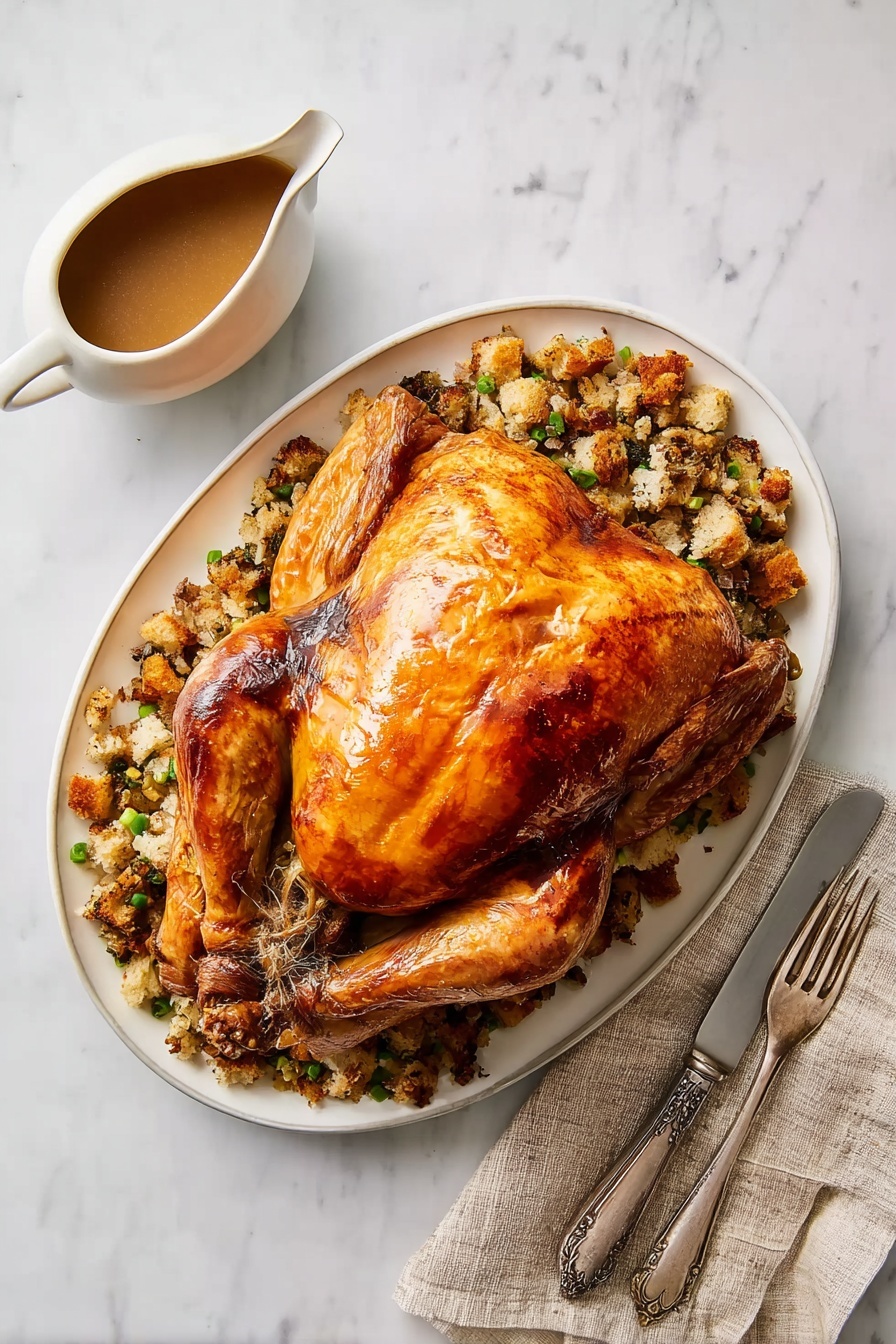
Garnishes
I like to keep garnishes simple to not overpower the turkey itself. Fresh herbs like rosemary sprigs, thyme, and parsley tucked around the platter add a festive green pop. Citrus wedges—especially orange and lemon—bring brightness both as visual appeal and a squeeze over the carved meat.
Side Dishes
Personally, I pair this turkey with classic sides: creamy mashed potatoes, buttery green beans almondine, and homemade cranberry sauce. For something special, roasted root veggies and a fresh, crisp salad balance all that richness perfectly.
Creative Ways to Present
For holidays, I like to serve the turkey on a beautiful wooden carving board surrounded by seasonal accents like pine cones, small pumpkins, or edible flowers. Another fun trick is to carve tableside and let guests help themselves to warm slices with all the trimmings already arranged around the platter—it’s interactive and makes the meal extra memorable!
Make Ahead and Storage
Storing Leftovers
After a big feast, I carefully carve leftover turkey, wrap it tightly in foil or airtight containers, and pop it in the fridge. It keeps well for about 3 to 4 days if stored properly. One tip I learned: remove leftover stuffing from the cavity before storing to help everything stay fresh.
Freezing
If you want to freeze leftover turkey, slice it first and flash freeze in a single layer on a tray. Then transfer to freezer bags. It lasts 2-3 months this way and reheats nicely without becoming rubbery. I don’t usually freeze stuffing though; it gets mushy.
Reheating
When reheating, I prefer the oven over the microwave. Wrap turkey slices in foil with a splash of broth or pan juices and warm at 300°F until heated through—usually 15 to 20 minutes. This keeps the meat moist and avoids drying out, which I’ve experienced way too often with microwaves!
FAQs
-
Can I use frozen turkey for the Cheesecloth Roast Turkey Recipe?
You can use a frozen turkey, but it must be fully thawed before starting this recipe. Thawing in the refrigerator takes several days depending on the size, so plan ahead. The cheesecloth method works best with fresh or fully thawed birds to ensure even cooking and moisture retention.
-
What type of cheesecloth should I use?
Use a plain, unbleached cotton cheesecloth that’s food-safe. Avoid loose-weave or synthetic fabrics. Fold the cloth to create multiple layers so it holds the butter and wine mixture well and distributes moisture evenly over the bird.
-
Do I need to baste after removing the cheesecloth?
Yes! Once the cheesecloth is removed, the skin starts browning and can become fragile, so baste carefully every 30 minutes with pan juices or butter and wine mixture to develop that gorgeous crisp skin without tearing.
-
How do I know when the turkey is done?
The best way to check is with an instant-read thermometer inserted into the thickest part of the thigh without touching bone. Look for 180°F for the turkey and 140°F to 160°F in the stuffing. The breast doesn’t need temperature checks since it cooks faster and can dry out if overcooked.
Final Thoughts
I absolutely love how this Cheesecloth Roast Turkey Recipe turns out every single time—juicy, flavorful, and picture-perfect. When I first tried this method, it transformed how I roast turkey forever, and I’m confident you’ll enjoy it just as much as my family does. It’s really approachable once you get the hang of the steps, and your guests will be blown away by that golden crust and tender meat. So don’t hesitate—give it a try and make your next holiday turkey the best one yet!
Print
Cheesecloth Roast Turkey Recipe
- Prep Time: 2 hours
- Cook Time: 4 hours 30 minutes
- Total Time: 6 hours 30 minutes
- Yield: 14 servings
- Category: Main Course
- Method: Roasting
- Cuisine: American
Description
This Perfect Roast Turkey recipe uses a butter-soaked cheesecloth method to produce a beautifully browned and moist turkey. The cheesecloth helps baste the bird continuously throughout roasting, maintaining juiciness and flavor. A combination of butter and white wine infuses the meat, while a classic stuffing adds savory depth. The turkey is roasted at high heat initially, then lowered for slow cooking, finishing with a rich homemade gravy made from pan juices and giblet stock.
Ingredients
Turkey and Butter Mixture
- One 20- to 21-pound fresh whole turkey, giblets and neck removed from cavity and reserved
- 1.5 cups (3 sticks) unsalted butter, melted
- 4 tablespoons unsalted butter, room temperature
- One 750-ml bottle dry white wine
- 2 teaspoons salt
- 2 teaspoons freshly ground black pepper
Stuffing
- Classic Stuffing (quantity to fill cavity and neck loosely, plus extra for baking)
Gravy
- 1 cup dry red or white wine (for gravy, optional)
- Giblet stock (from reserved giblets and neck)
Instructions
- Prepare Turkey: Remove the turkey from the refrigerator and packaging, then let it stand for 2 hours at room temperature. Pat it dry thoroughly with paper towels to ensure crispy skin.
- Preheat Oven and Soak Cheesecloth: Position a rack on the lowest level in the oven and heat to 450°F. Combine melted butter and white wine in a bowl. Fold a large piece of cheesecloth into quarters and cut into a 17-inch, 4-layer square. Soak the cheesecloth in the butter and wine mixture.
- Prepare Turkey for Roasting: Place the turkey breast side up on a roasting rack inside a heavy metal roasting pan. Remove any pop-up timers for accuracy and fold the wing tips under the bird. Sprinkle 1/2 teaspoon salt and 1/2 teaspoon pepper inside the turkey cavities. Fill the body and neck cavities loosely with stuffing, do not pack tightly.
- Truss and Butter: Tie the legs together loosely with kitchen string for easy untying later. Fold the neck flap under and secure with toothpicks. Rub the entire turkey with softened butter and sprinkle with remaining 1 1/2 teaspoons salt and pepper evenly.
- Apply Cheesecloth: Lift the soaked cheesecloth from the butter and wine, squeezing gently to leave it damp but not dripping. Spread the cheesecloth evenly over the breast and about halfway down the sides of the turkey, covering some of the leg area.
- Initial High-Heat Roasting: Place the turkey legs first into the preheated oven. Roast for 30 minutes at 450°F. This initial step helps develop color and crispy skin.
- Baste and Reduce Oven Temperature: Using a pastry brush, baste the cheesecloth and any exposed turkey parts with the butter and wine mixture. Reduce oven temperature to 350°F and continue roasting for another 2 1/2 hours, basting every 30 minutes. Monitor pan juices and remove excess if it overflows, reserving for gravy.
- Remove Cheesecloth and Continue Roasting: After the 3-hour total cooking time, carefully remove and discard the cheesecloth. Turn the roasting pan so the breast faces the back of the oven. Baste the turkey carefully with pan juices and additional butter and wine if needed. Continue cooking for 1 more hour, basting halfway through. The skin will brown further but is delicate.
- Check Temperature and Finish Cooking: After the fourth hour, insert an instant-read thermometer into the thickest part of the thigh, avoiding bones. The turkey is done when it reaches 180°F and the stuffing temperature ranges from 140°F to 160°F. If not fully cooked, baste again and roast for an additional 20 to 30 minutes until done.
- Rest the Turkey: Transfer the turkey to a serving platter and allow it to rest for about 30 minutes for juices to redistribute, ensuring moist meat.
- Make Gravy: Pour pan juices into a glass measuring cup and let stand for 10 minutes to allow grease to rise. Skim off the fat. Place the roasting pan over medium-high heat on the stovetop, add 1 cup dry red or white wine or water, and scrape the pan to loosen browned bits. Add giblet stock and bring to a boil, reducing liquid by half (about 10 minutes). Add defatted pan juices and cook for another 10 minutes until gravy thickens to yield approximately 2 1/2 cups. Season to taste, strain, and serve with turkey.
Notes
- This recipe is inspired by Martha Stewart’s classic turkey technique, which yields evenly browned skin and juicy meat.
- The cheesecloth method continuously bastes the bird, eliminating dryness and uneven browning.
- Do not overstuff the cavities to ensure even cooking.
- Using an instant-read thermometer is more reliable than pop-up timers for turkey doneness.
- Resting the turkey before carving allows juices to redistribute, enhancing tenderness.
- If leftover stuffing remains, bake in a buttered dish at 375°F for 45 minutes to serve alongside.
Nutrition
- Serving Size: 1 slice (approx. 6 oz cooked turkey with skin)
- Calories: 480
- Sugar: 0g
- Sodium: 460mg
- Fat: 35g
- Saturated Fat: 14g
- Unsaturated Fat: 18g
- Trans Fat: 0g
- Carbohydrates: 5g
- Fiber: 1g
- Protein: 40g
- Cholesterol: 135mg