
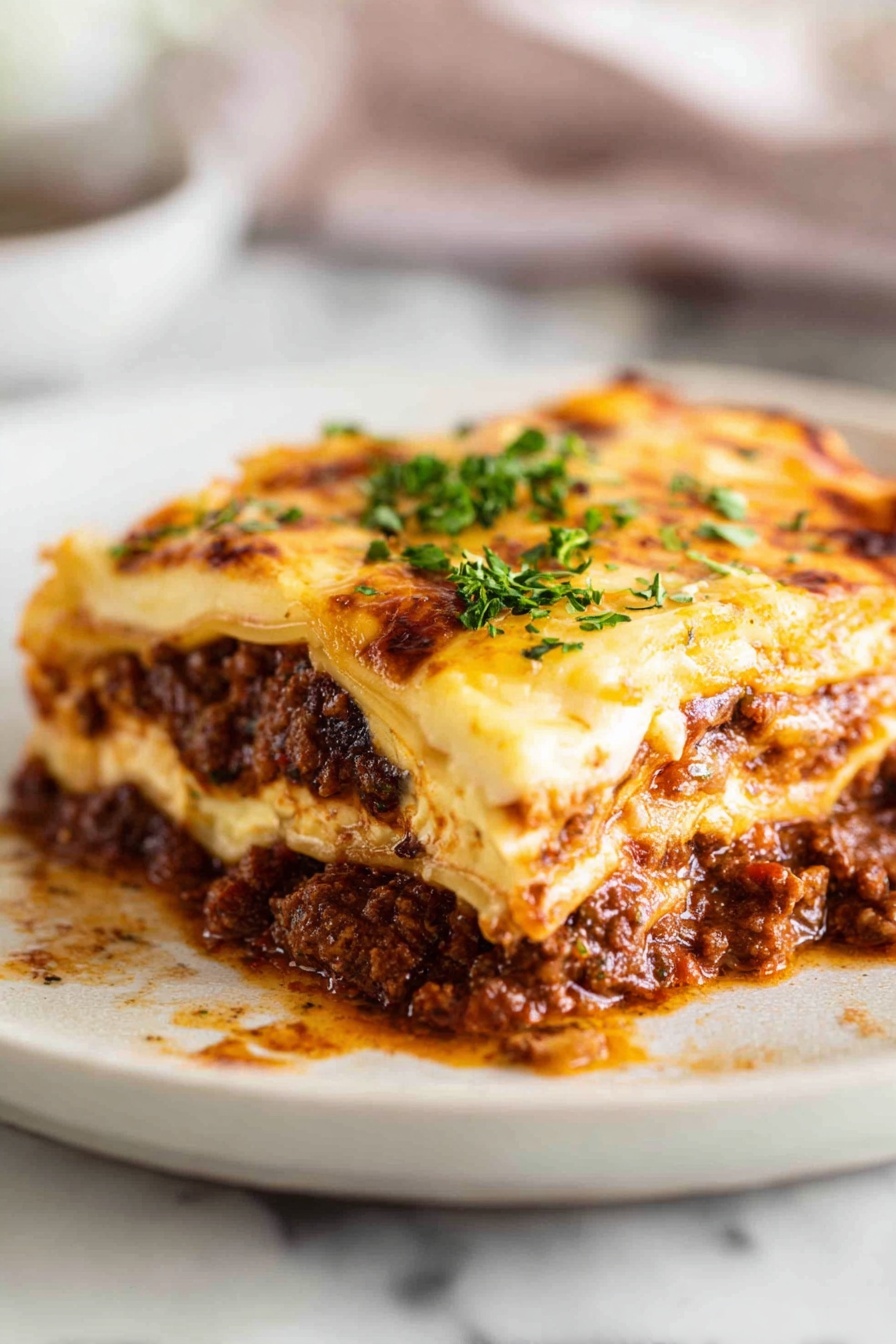
If you’re craving a hearty, soul-warming meal that feels like a big Italian hug, then you’re in for a treat with this Classic Italian Beef Lasagna Recipe. Trust me, this is not just any lasagna—it’s the real-deal, slow-cooked, melt-in-your-mouth masterpiece that my family and I go crazy for. I remember the first time I made this, the rich aroma filled the whole house and honestly, it felt like I had just stepped into a little trattoria in Italy. Keep reading, because I’ll walk you through every step to make sure your lasagna comes out perfect and bursting with layers of flavor.
Why You’ll Love This Recipe
- Authentic Taste: This recipe is the true Italian style with slow-simmered ragu and creamy béchamel, bringing a rich, comforting flavor.
- Deeply Flavorful Layers: The blend of fresh herbs, beef, and cheese creates a perfect balance every time.
- Family Favorite: Whether it’s a weeknight dinner or special occasion, this lasagna always steals the show.
- Make-Ahead Friendly: It freezes beautifully, so you can enjoy it fresh or save for later with ease.

Ingredients You’ll Need
Each ingredient in this Classic Italian Beef Lasagna Recipe plays its part in building complex, authentic flavors—from the simple soffritto base of onion, carrot, and celery to the luscious béchamel sauce. I always recommend using fresh, quality ingredients, especially fresh lasagna sheets if you can find them, for that tender, melt-in-your-mouth texture.
- Olive oil: Go for a good extra virgin olive oil—it really brings depth to the sautéed veggies.
- Onion: Finely chopped to soften beautifully and sweeten the sauce.
- Carrot: Adds natural sweetness; peeling and dicing finely helps it blend into the ragu.
- Celery stick: The classic Italian soffritto base—don’t skip it for authentic flavor.
- Garlic cloves: Minced fresh garlic punches up the aroma and taste.
- Beef mince: Choose quality ground beef; lean enough for flavor but with some fat for richness.
- Canned crushed tomato: The foundation for the ragu’s tomatoey goodness—San Marzano if you can get it!
- Tomato paste: Concentrated flavor that deepens the sauce.
- Pinot noir red wine: Or any dry red wine you enjoy—this adds richness and subtle complexity.
- Beef bouillon cubes: Adds umami and intensifies the meatiness.
- Bay leaves: Essential for that herby, savory background note.
- Dried thyme and oregano: Classic Italian herbs that meld perfectly with the beef and tomato.
- Worcestershire Sauce: A secret punch of tangy depth.
- Sugar: Just a pinch to balance the acidity of tomatoes—adjust if needed.
- Salt and black pepper: Season generously to bring everything together.
- Butter: For the béchamel, adding richness and creaminess.
- Flour: To thicken the béchamel.
- Milk: I prefer full-fat for a luxuriously creamy sauce, but low-fat works too.
- Gruyere or Colby cheese: Freshly shredded for melty, nutty flavor—cheddar or Monterey Jack work in a pinch.
- Pinch of freshly ground nutmeg: Gives béchamel that classic, cozy undertone.
- Fresh or dried lasagna sheets: Fresh lasagna makes assembly easier and texture softer, but dried works fine.
- Mozzarella cheese: Shred it yourself for best melt and stretch.
- Basil or parsley: Finely chopped to sprinkle on top for freshness and color.
Variations
Personally, I love to tweak this Classic Italian Beef Lasagna Recipe depending on the occasion or what’s in my fridge, so don’t hesitate to make it your own. A few simple swaps or additions can turn the dish into something altogether unique and special for your table.
- Vegetable Boost: When I want a little extra nutrition, I finely dice zucchini or mushrooms and add them to the ragu—no one complains about the added veggies!
- Spicy Kick: Adding a pinch of chili flakes to the sauce is my go-to when I’m craving something with a bit of heat.
- Cheese Swap: If you prefer a sharper flavor, swap the Gruyere for Asiago or use Parmigiano-Reggiano instead of Parmesan for topping.
- Gluten-Free: I’ve made this with gluten-free lasagna sheets when hosting a friend with gluten sensitivities—it worked beautifully without compromising taste.
How to Make Classic Italian Beef Lasagna Recipe
Step 1: Build Your Flavour Base with Sofritto
Start by heating olive oil in a large pan over medium heat. Add the finely chopped onion, carrot, and celery—you want them soft and fragrant, not browned, so take your time and stir occasionally for about 8-10 minutes. When I first tried skipping this step, the sauce lacked depth, so don’t rush it!
Step 2: Brown the Beef and Add Garlic
Once the vegetables are tender, add the minced garlic and cook for another minute. Then, add the beef mince, breaking it up with your spoon. Brown it well—this step develops those gorgeous meaty flavors. I like to let the beef get a little crisp in spots; it adds texture to the final sauce.
Step 3: Customize Your Ragu Sauce
Pour in the crushed tomatoes, tomato paste, and wine. Sprinkle in crumbled beef bouillon cubes, bay leaves, thyme, oregano, Worcestershire sauce, and a pinch of sugar to balance acidity. Season with salt and pepper, stir well, and bring to a gentle simmer. Cover partially and let it cook slowly for at least 3 hours, stirring occasionally. The magic here is patience—the longer it simmers, the better it tastes.
Step 4: Prepare the Béchamel Sauce
In a separate saucepan, melt butter over medium heat. Whisk in the flour, cooking for a minute to remove that raw taste. Gradually add warm milk, whisking constantly, until it thickens smoothly. Stir in the shredded Gruyere or Colby cheese, nutmeg, salt, and pepper to taste. This creamy sauce will beautifully complement the meaty ragu and bring the classic lasagna texture you’re after.
Step 5: Assemble Your Layers
Grab a deep baking dish, and start with a thin layer of béchamel at the bottom to prevent sticking. Then layer fresh or dried lasagna sheets, followed by the ragu, then béchamel, and a sprinkle of mozzarella. Repeat until you have 4 layers of pasta and 3 layers of sauce, finishing with a béchamel topping sprinkled generously with mozzarella.
Step 6: Bake to Perfection
Bake your assembled lasagna at 180°C (350°F) for about 40-50 minutes, until the top is golden and bubbling. If it browns too quickly, cover loosely with foil. Let it rest for at least 15 minutes before serving—this helps it set and makes slicing easier.
Pro Tips for Making Classic Italian Beef Lasagna Recipe
- Slow Simmer Ragu: I learned that letting the ragu cook low and slow is what truly brings the beef to tender perfection and develops deep flavor, so don’t rush this step.
- Fresh Pasta is a Game-Changer: Using fresh lasagna sheets makes baking and slicing easier, with a beautifully tender bite—worth seeking out if you can.
- Cheese Selection Matters: Shredding your own cheese ensures better melting and a more authentic experience than pre-shredded bags.
- Don’t Skip Resting: Letting your lasagna rest before cutting avoids a messy, runny dish and helps the layers set perfectly.
How to Serve Classic Italian Beef Lasagna Recipe
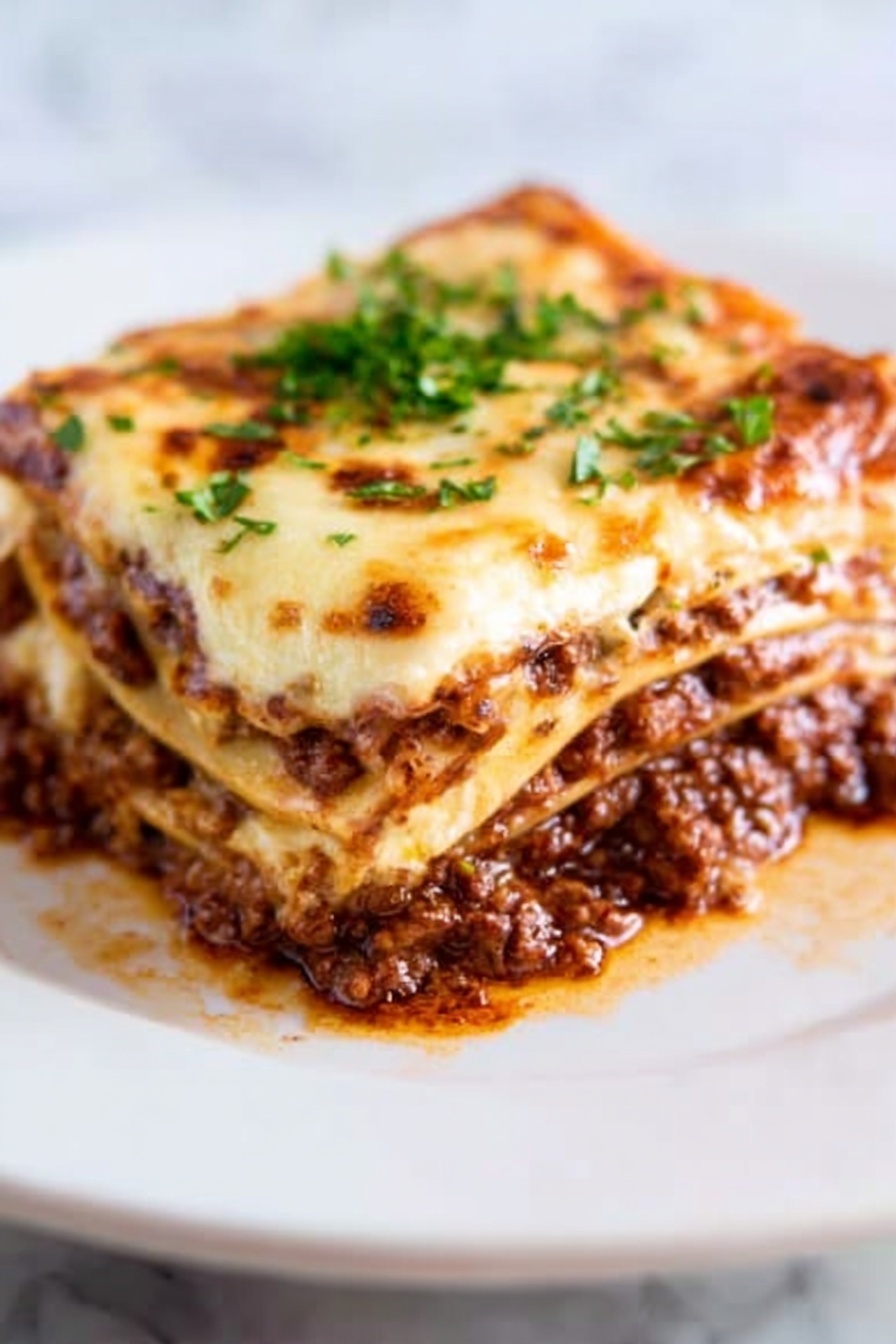
Garnishes
I always sprinkle a little freshly chopped basil or flat-leaf parsley on top just before serving—it brightens the richness and adds a pop of color that makes it look extra inviting. A light dusting of freshly grated Parmesan doesn’t hurt either if you’re a cheese lover like me!
Side Dishes
This lasagna is pretty hearty on its own, so I like pairing it with a simple green salad dressed with lemon vinaigrette to cut through the richness. Garlic bread or a crunchy ciabatta alongside works beautifully too, especially if you want to soak up any leftover sauce on the plate.
Creative Ways to Present
For a fun dinner party, I’ve served portions in individual ramekins—makes it feel fancy and personal. Another time, I layered it thinner in a square pan and topped with sliced cherry tomatoes and fresh basil just before baking for a colorful twist that wowed my guests.
Make Ahead and Storage
Storing Leftovers
Lasagna leftovers are simply fantastic—store any uneaten portions in airtight containers in the fridge for up to 3 days. I find it tastes even better the next day as the flavors have more time to marry. Just make sure it’s cooled before refrigerating to keep everything fresh.
Freezing
I’ve frozen this Classic Italian Beef Lasagna Recipe many times with great success. Once fully assembled but before baking, I wrap tightly in plastic wrap and foil, then pop it in the freezer for up to 3 months. Baking from frozen just means you add extra time and cover the dish initially to prevent drying out.
Reheating
Leftover lasagna reheats beautifully in the oven at 160°C (320°F) covered with foil to retain moisture, taking about 20-25 minutes. Microwave works in a pinch, but I prefer the oven method to keep the texture intact. Adding a splash of water or milk before reheating helps keep it creamy.
FAQs
-
Can I use ricotta cheese instead of béchamel in this Classic Italian Beef Lasagna Recipe?
This recipe intentionally skips ricotta to stick to the traditional Italian style, which uses a creamy béchamel sauce instead. Ricotta can make the dish heavier and sweeter, which is common in American-Italian versions, but for that authentic texture and flavor, I recommend sticking with béchamel here.
-
Can I prepare parts of this lasagna in advance?
Absolutely! You can prepare the ragu and béchamel sauce ahead of time and store them in the fridge for up to 2 days. Assemble the lasagna right before baking for the best texture, or assemble fully and freeze to bake later.
-
What type of wine works best for this lasagna?
I usually go with pinot noir for its balanced fruitiness and acidity, but any dry red wine like Sangiovese or Chianti works beautifully. The wine adds complexity, but if you prefer not to use alcohol, you can substitute with extra beef stock.
-
Can I use dried lasagna sheets instead of fresh?
Yes, dried sheets work just fine; just be sure to pre-cook them according to the package instructions to get the right tenderness. Fresh sheets save that step and give a slightly softer texture that’s reminiscent of homemade pasta.
-
How do I stop the lasagna from drying out while baking?
Cover the lasagna loosely with foil for the first 30-40 minutes to keep moisture in, then remove the foil at the end to brown the cheese nicely. Also, starting with a béchamel layer at the bottom helps prevent sticking and drying.
Final Thoughts
This Classic Italian Beef Lasagna Recipe holds a special place in my heart because it reminds me of those long weekends spent cooking with family and sharing hearty meals. It’s a recipe worth the time and love, rewarding you with layers of rich ragu and luscious béchamel that come together into the ultimate comfort food. I hope you’ll enjoy making and sharing it as much as I do—it’s truly a dish that brings people together around the table, full of warmth and joy.
Print
Classic Italian Beef Lasagna Recipe
- Prep Time: 20 minutes
- Cook Time: 4 hours (240 minutes)
- Total Time: 4 hours 20 minutes (260 minutes)
- Yield: 10 servings
- Category: Main Course
- Method: Baking
- Cuisine: Italian
Description
This classic Italian lasagna recipe features a rich, slow-cooked beef ragù bolognese paired with a creamy béchamel sauce, layered between fresh or dried lasagna sheets and topped with melted mozzarella and gruyere cheese. The traditional method creates a melt-in-your-mouth texture and a deeply flavorful dish perfect for a comforting family meal.
Ingredients
Meat Ragù Bolognese
- 1 tbsp olive oil
- 1 onion, finely chopped (white, yellow or brown)
- 1 medium carrot, peeled and very finely diced
- 1 celery stick, very finely diced
- 2 garlic cloves, minced
- 1 kg / 2 lb beef mince (ground beef)
- 800g / 28 oz canned crushed tomato
- 1/4 cup tomato paste
- 1 cup pinot noir red wine or other dry red wine
- 3 beef bouillon cubes, crumbled
- 2 bay leaves, dried or fresh
- 1/2 tsp EACH dried thyme and oregano
- 2 tsp Worcestershire Sauce
- 1 – 2 tsp sugar (if needed)
- 1/2 tsp salt and black pepper
Béchamel Sauce
- 60g / 4 tbsp butter
- 1/2 cup flour
- 4 cups milk, preferably full fat but low fat ok
- Pinch of freshly ground nutmeg
- Salt and pepper to taste
Cheese and Assembly
- 2 cups gruyere or Colby cheese, shredded (or cheddar, Monterey Jack, or 1 cup / 100g shredded parmesan)
- 350g / 12 oz fresh lasagna sheets (or 250g / 8 oz dried)
- 1 1/2 cups (tightly packed) mozzarella cheese, shredded
- Finely chopped basil or parsley for garnish (optional)
Instructions
- Prepare the Ragù: Heat olive oil in a large pan over medium heat. Add finely chopped onion, carrot, celery, and cook until softened. Stir in minced garlic and cook for 1 minute. Add beef mince and brown thoroughly, breaking up lumps.
- Add Tomatoes and Seasonings: Stir in canned crushed tomato, tomato paste, red wine, crumbled beef bouillon cubes, bay leaves, thyme, oregano, Worcestershire sauce, sugar (if needed), salt, and black pepper. Bring to a simmer.
- Simmer Slowly: Reduce heat to low and cook the ragù gently for about 3 to 4 hours, stirring occasionally, until thick and flavorful. Adjust seasoning to taste and remove bay leaves at the end.
- Make the Béchamel Sauce: In a separate saucepan, melt butter over medium heat. Whisk in flour and cook for 1-2 minutes to form a roux. Gradually whisk in milk, stirring continuously until the sauce thickens. Add a pinch of freshly ground nutmeg, salt, and pepper to taste.
- Preheat Oven: Preheat oven to 180°C (350°F).
- Assemble the Lasagna Layers: In a deep baking dish, start with a thin layer of béchamel sauce. Add lasagna sheets to cover the base, then spread a layer of ragù, followed by béchamel sauce, and a sprinkle of shredded gruyere cheese. Repeat layering 3-4 times, finishing with a top layer of béchamel sauce and shredded mozzarella cheese.
- Bake: Cover the dish with foil and bake in the preheated oven for about 40 minutes. Remove foil and bake for another 10-15 minutes or until the top is golden and bubbly.
- Rest and Serve: Let the lasagna rest for 10-15 minutes before cutting. Garnish with finely chopped basil or parsley if desired. Serve warm.
Notes
- This recipe requires patience but results in a rich, tender ragù and creamy béchamel sauce for authentic Italian lasagna.
- Use fresh lasagna sheets if possible, but dried sheets work as well.
- No ricotta cheese is used, differentiating it from the American-Italian style.
- Scaling the recipe up by 25% allows for an additional ragu layer in a deeper pan.
- Recipe yields 8 giant or 10 normal servings.
Nutrition
- Serving Size: 398 g
- Calories: 594 kcal
- Sugar: 11 g
- Sodium: 979 mg
- Fat: 29 g
- Saturated Fat: 15 g
- Unsaturated Fat: 12 g
- Trans Fat: 1 g
- Carbohydrates: 40 g
- Fiber: 2 g
- Protein: 39 g
- Cholesterol: 146 mg