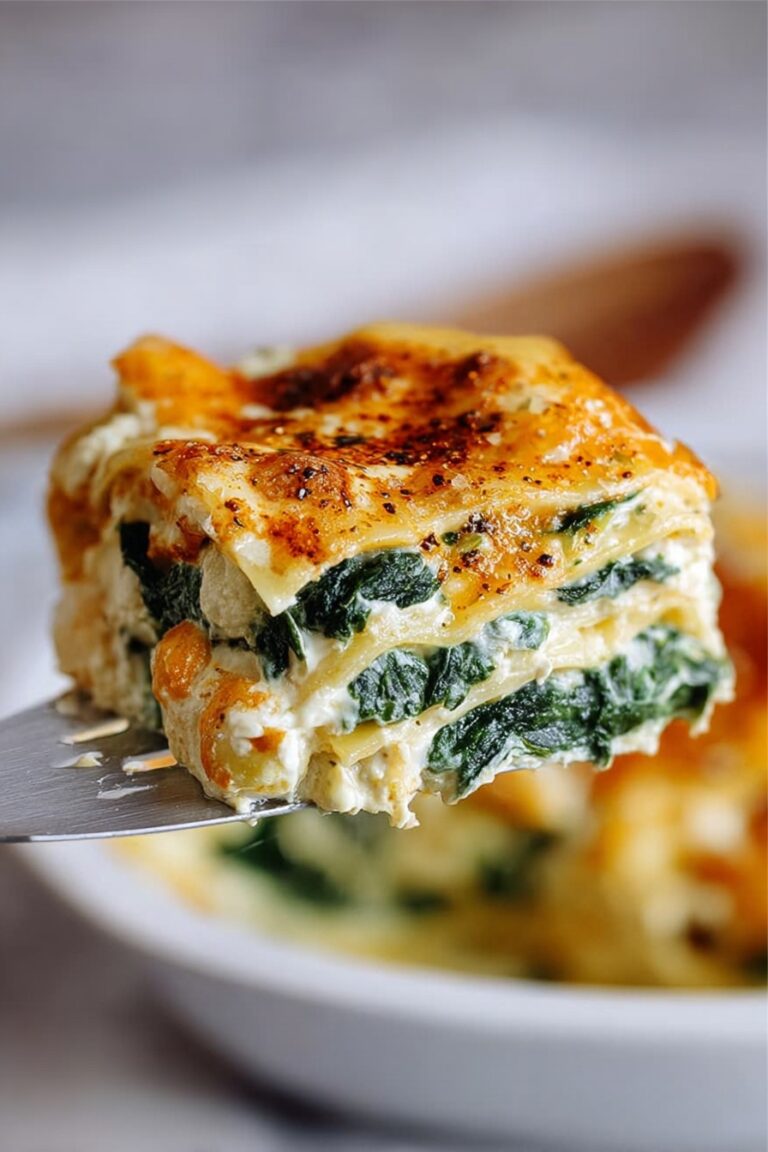
If you’ve ever yearned for those delightful, love-at-first-bite breakfast treats that have the perfect chewy texture and those iconic nooks and crannies, you’re going to absolutely adore this Homemade Sourdough English Muffins Recipe. I promise, once you try these, you’ll never want to buy store-bought muffins again—they’re that good, and way more satisfying because you made them yourself!
Why You’ll Love This Recipe
- Authentic Tangy Flavor: Thanks to the sourdough starter, these muffins have a unique depth and subtle tang that you won’t find in mass-produced versions.
- Perfect Texture: You’ll get those trademark nooks and crannies that soak up butter and jam like little sponges.
- Easy Overnight Prep: The bulk of the work happens while you sleep or are busy, so mornings stay stress-free.
- Versatile and Fun: Whether you go classic or add your twist, these muffins are perfect for breakfast sandwiches or just with a pat of butter.

Ingredients You’ll Need
These ingredients work together beautifully to create that soft yet structured dough that browns deliciously on the griddle. When shopping, look for unbleached all-purpose flour for the best texture and use your active sourdough starter to get that authentic flavor really shining through.

- Sourdough Starter: This is the star—make sure yours is bubbly and active. I love using 100% hydration starters for consistent results.
- Honey: Adds a hint of sweetness and helps the muffins brown nicely.
- Milk: I prefer whole milk for richness, but feel free to use your favorite—just avoid ultra-low fat as it can affect texture.
- All-Purpose Flour: Unbleached is best for flavor and structure; the recipe uses it in two stages—you’ll see why in a moment!
- Baking Soda: Helps give the muffins their signature rise and airy crumb when combined with the acidic starter.
- Salt: Enhances all the flavors without overpowering.
- Cornmeal or Semolina: For dusting your cooking surface—this keeps the muffins from sticking and gives that traditional crunch on the bottom.
Variations
One of my favorite things about this Homemade Sourdough English Muffins Recipe is how easy it is to tweak! Depending on what you have on hand or your dietary needs, you can make this recipe your own and still get fantastic results.
- Sourdough Discard Version: I’ve made these with sourdough discard by replacing the baking soda with a little instant yeast and mixing everything all at once. It’s a great way to use up discard and still enjoy fresh muffins.
- Gluten-Friendly: While I haven’t tried gluten-free myself, you could experiment with a blend of gluten-free flours, just be prepared for a slightly different texture.
- Extra Flavor: Add a sprinkle of cinnamon or a tablespoon of finely chopped herbs like rosemary in the dough for a savory twist.
- Muffin Size: Dividing the dough into 9 makes large fluffy muffins perfect for sandwiches, while 18 smaller muffins work great for snacks or kids.
How to Make Homemade Sourdough English Muffins Recipe
Step 1: Mix the Starter, Milk, Honey, and Flour
The night before you want to enjoy your muffins (about 8 to 10 hours ahead), combine your active sourdough starter, milk, honey, and 4 cups of flour in a medium bowl. I usually give it a good stir until it forms a shaggy dough, then cover it and leave it on my countertop overnight. The magic happens here—your starter will bubble and ferment, giving your muffins their signature flavor and lightness.
Step 2: Add Baking Soda, Salt, & Flour – Then Knead
The next morning, sprinkle in the baking soda and salt over your dough, then add 1 cup more flour. Now comes the fun part—kneading. Either use your stand mixer with a dough hook for about 5 minutes or knead by hand for 10 minutes until smooth and elastic. If your dough feels sticky, add a little extra flour, but be cautious so it doesn’t get tough. After kneading, let the dough rest for 10-15 minutes; it relaxes and gets easier to roll out.
Step 3: Roll Out and Cut Muffins
Roll your dough to about half an inch thick on a lightly floured surface. Using a 3 to 4-inch round cutter (or a glass if you don’t have one handy), cut circles and place them on a baking sheet sprinkled generously with cornmeal. Don’t toss those scraps—roll them out again to maximize your yield (I usually get around 18 muffins). Cover the sheet with lightly oiled plastic wrap and let the muffins rise for about an hour, until puffy and soft to the touch.
Step 4: Cook the Muffins on a Griddle
Preheat a griddle or large skillet over medium-low heat (about 325°F). Sprinkle the surface well with cornmeal to prevent sticking; if your surface isn’t non-stick, lightly spray with vegetable oil first. Place a few muffins at a time—don’t overcrowd—and cook for 5-6 minutes on each side. I like to cover the pan with a lid to help them cook through evenly. Check the bottoms with a spatula to avoid burning. When done, the internal temperature should hit 190°F for perfect doneness.
Pro Tips for Making Homemade Sourdough English Muffins Recipe
- Use a Well-Fed Starter: The livelier your starter, the better rise and flavor your muffins will boast—I always feed mine 4-6 hours before mixing.
- Don’t Skip the Cornmeal: It prevents sticking and adds that nostalgic crunchy texture on the bottom that I just can’t live without.
- Cook Low and Slow: Patience is key—cooking too hot can burn the outsides while leaving the middles doughy.
- Split with a Fork: Always split your muffins with a fork to reveal those treasured nooks and crannies that soak up butter and jam beautifully rather than squashing the crumb with a knife.
How to Serve Homemade Sourdough English Muffins Recipe

Garnishes
I love spreading these warm muffins with creamy butter and a dollop of honey or my favorite fruit jam. For a savory touch, cream cheese mixed with chives or smashed avocado with a sprinkle of chili flakes really steps it up. These muffins are like a blank canvas for your morning cravings.
Side Dishes
Pair your muffins with scrambled eggs and crispy bacon for a classic breakfast feast. Another favorite of mine is serving them alongside a fresh fruit salad or a simple green smoothie for a refreshing balance.
Creative Ways to Present
For brunch gatherings, I like to turn these muffins into mini breakfast sandwiches with smoked salmon, cream cheese, and capers or ham and melted cheese stacked up with a sunny-side-up egg. They’re also adorable when sliced in half and toasted, topped with ricotta and berries for a fancy touch without extra fuss.
Make Ahead and Storage
Storing Leftovers
When I have leftovers, I keep them in an airtight container or a zip-top bag in the fridge for up to 3 days. I’ve found this keeps them moist but still firm enough to reheat without turning gummy.
Freezing
These muffins freeze beautifully! I like to freeze them in single layers between sheets of parchment paper inside a sealed bag, so they don’t stick together. They’ll keep well for up to a month, and thaw quickly when you need a breakfast on the go.
Reheating
To reheat, I pop them straight from freezer or fridge onto a hot griddle for a few minutes per side or toast them lightly in the oven. This brings back that crisp outside and warm, tender interior every time. Avoid microwaving—it tends to make the texture rubbery.
FAQs
-
Can I use sourdough discard instead of an active starter for this Homemade Sourdough English Muffins Recipe?
Absolutely! When using sourdough discard, skip the baking soda and add 2 to 3 teaspoons of instant yeast to help the muffins rise properly. Mix everything at once and give the dough a shorter rise. This is a great way to put discard to good use without sacrificing flavor.
-
Why are my English muffins not developing nooks and crannies?
The characteristic nooks and crannies come from using both sourdough starter and baking soda. Proper mixing, cooking temperature, and splitting the muffins with a fork rather than a knife also help create that perfect texture. Make sure not to rush the rising times or cook over too high heat, which can close up the crumb.
-
What’s the best way to cook these muffins—griddle or pan?
Both work well! I prefer an electric griddle for its even temperature control and size, but a heavy skillet or frying pan works just fine too. Just remember to keep the heat moderate and use plenty of cornmeal to prevent sticking.
-
How long can I keep homemade sourdough English muffins?
Stored in an airtight container at room temperature, they last 2-3 days. For longer storage, refrigerate or freeze as described above. Fresh is always best, but leftovers reheat wonderfully when cared for properly.
Final Thoughts
I truly cherish this Homemade Sourdough English Muffins Recipe because it connects me to the timeless joy of fresh-baked bread and the simple pleasure of a leisurely weekend breakfast. There’s something magical about turning humble ingredients into golden, tender muffins filled with character and love. I hope you enjoy making them as much as I do—once you try your hand at these, you’ll have a new favorite breakfast staple that’s both fun to make and delightful to eat. Give it a go, I promise you won’t regret it!
Print
Homemade Sourdough English Muffins Recipe
- Prep Time: 8 hours
- Cook Time: 12 minutes
- Total Time: 8 hours 12 minutes
- Yield: 18 small or 9 large English muffins
- Category: Breakfast
- Method: Stovetop
- Cuisine: American
Description
Homemade English Muffins made with a sourdough starter, offering a light, airy texture full of nooks and crannies. This recipe requires an overnight fermentation to develop flavor and can be cooked on a griddle or pan for a traditional taste and texture.
Ingredients
The Night Before (8 hours before)
- 1 cup (180 g) active sourdough starter 100% hydration
- 2 tablespoons (42 g) honey
- 2 cups (488 g) milk
- 4 cups (500 g) all purpose flour, unbleached
Next Morning
- 1 teaspoon (4 g) baking soda
- 2 teaspoons (12 g) salt
- 1 cup (125 g) all purpose flour, unbleached (up to 2 cups as needed)
To Cook the English Muffins
- Cornmeal for dusting griddle or semolina or farina
Instructions
- Mix initial ingredients: In a medium-sized bowl, combine the sourdough starter, milk, honey, and flour. Cover the bowl and leave it at room temperature for 8 to 10 hours to ferment and develop flavor.
- Add remaining ingredients: The next morning, add baking soda and salt by sprinkling them on top of the dough, then add 1 cup of flour. Knead the dough until smooth, about 5 minutes using a stand mixer or 10 minutes by hand. Add extra flour if the dough is too sticky.
- Rest and roll out dough: Let the dough rest for 10 to 15 minutes, then roll it out to about 1/2 inch thickness on a lightly floured surface.
- Cut muffins: Use a 3 to 4 inch circle cutter or round glass to cut rounds from the dough. Place each on a greased baking sheet generously dusted with cornmeal. Reroll scraps to cut additional muffins, making up to 18 small or 9 large muffins total.
- Proof muffins: Cover the muffins lightly with sprayed or oiled plastic wrap and allow them to rise for about 1 hour at room temperature until puffy.
- Cook muffins: Preheat a griddle or non-stick frying pan to 325°F (medium-low heat). Generously dust with cornmeal or semolina. Cook muffins a few at a time, about 5 to 6 minutes per side until golden brown and a thermometer registers 190°F in the center. Cover the pan while cooking to aid cooking through.
Notes
- Split muffins with a fork, not a knife, to maximize the classic nooks and crannies.
- The internal temperature of cooked muffins should reach 190°F for doneness.
- Any griddle, electric griddle, or frying pan with a flat surface can be used for cooking.
- Always sprinkle cornmeal, semolina, or farina on the cooking surface to prevent sticking, and use vegetable oil spray if surface is not non-stick.
- Check muffins’ bottoms after a few minutes to avoid burning and control heat.
- Leftover muffins freeze well for up to one month when stored properly.
- For sourdough discard use without baking soda, add 2-3 teaspoons instant yeast, and modify rising times accordingly.
Nutrition
- Serving Size: 1 small English muffin
- Calories: 150
- Sugar: 3g
- Sodium: 220mg
- Fat: 2.5g
- Saturated Fat: 0.5g
- Unsaturated Fat: 1.5g
- Trans Fat: 0g
- Carbohydrates: 29g
- Fiber: 1g
- Protein: 5g
- Cholesterol: 5mg