If you love quick, flavorful meals that come together easily but taste like you went all out, then you’re going to adore this Korean Beef Bulgogi Rice Bowls Recipe. I absolutely love how this dish balances sweet, savory, and a hint of tang while bringing that fun Korean BBQ vibe straight to your kitchen without needing any fancy equipment or long marinating times. Stick with me and I’ll show you exactly how to nail this at home — trust me, it’s a fan-freaking-tastic recipe you’ll want on your regular rotation.
Why You’ll Love This Recipe
- Super Quick to Make: You can have this ready in under 30 minutes, perfect for busy weeknights.
- Flavor Explosion: The combo of grated apple and onion in the sauce gives it a natural sweetness and depth you won’t find in regular beef dishes.
- Flexible and Customizable: Use any greens or rice you like, and adjust toppings to suit your mood.
- Family Favorite: My family goes crazy for this dish and keep asking me to make it again and again.

Ingredients You’ll Need
Most of the ingredients here are pantry staples or easy to find in your local grocery store, and each one plays a crucial role in creating that authentic Korean bulgogi flavor. The secret? Don’t skip that grated apple and onion duo — it’s a game-changer! Plus, I’ll share tips to make shopping and prep a breeze.

- Beef mince: I like using around 80/20 fat content so it stays juicy and tasty, but choose whatever you prefer.
- Canola oil: Neutral oil helps with cooking without overpowering the beef’s flavor.
- Onion: Grated finely for maximum flavor without biting into chunks.
- Red apple: Don’t peel it! The skin adds color and extra nutrients, plus a natural sweetness that blends perfectly with the sauce.
- Garlic and ginger: Fresh is best — they add that bold, aromatic foundation.
- Soy sauce: Light or all-purpose soy sauce works well; your usual brand is fine—just avoid dark or thick soy sauces here.
- Sesame oil: The nutty aroma is essential for authentic bulgogi vibes.
- Mirin: Adds a subtle sweetness and depth; if you don’t have it, no worries, I have alternatives below.
- Brown sugar: Helps balance out salty and tangy elements.
- Black pepper: Just a pinch to bring gentle heat.
- Rice vinegar: For the drizzle sauce’s tangy kick.
- White rice: Medium or short grain rice works best for that perfect sticky base.
- Baby spinach and leafy greens: Adds freshness and a pop of color—and don’t be shy to swap with kale or cabbage.
- Carrot: Julienned or grated for crunch and sweetness.
- Avocado: Creamy and smooth, it balances all those punchy flavors.
- Pickled ginger: The tangy zip contrasts beautifully with the rich beef.
- Baby romaine or cos lettuce: Gives texture and a fresh bite.
- White sesame seeds and green onion: Classic garnishes to finish the dish with a little crunch and vibrancy.
Variations
I love that this Korean Beef Bulgogi Rice Bowls Recipe is so adaptable. Depending on what’s in your fridge or your dietary needs, you can switch things up easily. I often tweak this recipe based on my mood or season, and I encourage you to do the same — cooking should never be rigid!
- Vegetarian version: Substitute beef with minced mushrooms or crumbled tofu for a tasty plant-based alternative I tried and thoroughly enjoyed.
- Heat it up: Add a teaspoon of gochujang (Korean chili paste) to the bulgogi sauce if you like a spicy kick — my family can’t get enough this way!
- Greens swap: Instead of baby spinach, try kale or napa cabbage for a heartier texture, especially in colder months.
- Rice swap: Brown rice or quinoa can make a healthier twist, just adjust cooking times accordingly.
How to Make Korean Beef Bulgogi Rice Bowls Recipe
Step 1: Whisk Together Your Sauces
First things first — mix up your bulgogi sauce by combining grated onion, red apple, garlic, ginger, soy sauce, sesame oil, mirin, brown sugar, and a pinch of black pepper in a bowl. Separately, whisk together the rice bowl drizzle sauce ingredients: soy sauce, sesame oil, brown sugar, and rice vinegar. This way, your flavors will be ready to go once the beef is cooked. Quick tip: grate the apple and onion finely for a silky sauce texture that clings beautifully to the beef.
Step 2: Wilt the Spinach Just Right
Heat 2 teaspoons of oil in a large non-stick pan over high heat. Add half the baby spinach and toss it with tongs just until it starts to wilt (about 30 seconds), then add the rest and continue tossing until fully wilted—around a minute total. Remove it from the pan and set it aside so it doesn’t keep cooking and get soggy. This method keeps the greens tender but still fresh — my favorite way!
Step 3: Cook the Bulgogi Beef to Perfection
Add 1 tablespoon of oil to your pan and keep it on high heat. Toss in the ground beef and break it up with a spatula as it browns—no raw patches! Now pour in your bulgogi sauce and let it simmer with the beef, stirring occasionally until most of the sauce has evaporated and the meat starts caramelizing. You want that slightly sticky glaze on the beef; it’s what makes this dish so addictive! Just be careful not to overcook and dry it out — keep it moist and flavorful.
Step 4: Assemble Your Dreamy Rice Bowls
Grab your bowls and spoon a hearty bed of steamed white rice at the bottom. Layer on your browned bulgogi beef, then tuck in your wilted spinach and fresh julienned carrots on one side. Add a dollop of creamy mashed avocado and a handful of torn baby romaine or cos lettuce to the side. Don’t forget the pickled ginger for that zingy punch and sprinkle everything with white sesame seeds and finely sliced green onion. Serve your rice bowl drizzle sauce on the side or drizzle it right on top before mixing everything together — either way, it’s irresistible!
Pro Tips for Making Korean Beef Bulgogi Rice Bowls Recipe
- Grate for Greatness: Grating the onion and apple with a microplane gives a smoother sauce texture — I never go back to chopping after discovering this!
- High Heat, Quick Work: Cooking the beef over high heat sears it beautifully and helps develop caramelization—don’t rush or overcrowd the pan.
- Balance Your Flavors: If the sauce tastes too salty, add a little more grated apple or a pinch of sugar to mellow it out.
- Don’t Overwilt Greens: Spinach cooks fast, so stop wilting as soon as they shrink and are bright green to keep texture.
How to Serve Korean Beef Bulgogi Rice Bowls Recipe

Garnishes
I usually top off my bowls with a sprinkle of toasted white sesame seeds and sliced green onion for a fresh, crunchy finish. The pickled ginger brings in a lovely tang and color pop that contrasts so well with the warm, caramelized beef. Sometimes, I add a drizzle of extra sesame oil for an indulgent aroma if I’m feeling fancy!
Side Dishes
This recipe pairs beautifully with simple Korean side dishes like kimchi or a quick cucumber salad. For a more filling meal, steamed or stir-fried vegetables like bok choy or snap peas add freshness and balance out the richness.
Creative Ways to Present
For get-togethers, I like laying out all the components separately and creating a DIY bulgogi rice bowl bar — it’s a fun, interactive way for guests to build their bowls just how they want. Another time, I served this inside lettuce wraps instead of rice bowls for a lighter, low-carb twist that everyone loved.
Make Ahead and Storage
Storing Leftovers
Once you’ve cooked the bulgogi beef, store leftovers in an airtight container in the fridge for up to 3 days. I find the beef tastes even better the next day since the flavors have had time to meld! Keep your rice and veggies separate if you want to maintain texture.
Freezing
You can freeze the cooked beef for up to 3 months. I recommend portioning it into smaller containers or freezer bags with a splash of water to keep it moist once thawed. It reheats nicely without losing that signature bulgogi flavor.
Reheating
To reheat, warm the beef gently in a skillet over medium heat with a teaspoon of water or a quick zap in the microwave. This prevents it from drying out. Freshen up your rice and veggies when serving to bring the bowl back to life.
FAQs
-
Can I use sliced beef instead of ground beef for this Korean Beef Bulgogi Rice Bowls Recipe?
Absolutely! Traditional bulgogi often uses thinly sliced ribeye or sirloin, marinated for hours. Using sliced beef works well if you have the time for marinating. However, ground beef is quicker, budget-friendly, and still delicious — plus, it holds onto the bulgogi sauce beautifully for this quick recipe.
-
What if I don’t have mirin? Can I skip it?
You can definitely skip mirin if you don’t have any. A splash of Chinese cooking wine or cooking sake with a bit of brown sugar works as a good substitute. If you want to avoid alcohol altogether, just add a little extra brown sugar to keep the balance of sweetness.
-
How do I make this recipe gluten-free?
Simply swap the soy sauce with tamari or another gluten-free soy sauce alternative. Just avoid dark soy sauces, as they’re stronger and can overwhelm the flavors here. You’ll still get that wonderful bulgogi taste!
-
Can I prepare this recipe in advance?
Yes! You can make the bulgogi beef ahead and store it in the fridge for a couple of days or freeze it. When you’re ready to eat, just reheat gently and assemble your bowls fresh, adding avocado and greens at the last minute for peak freshness.
Final Thoughts
This Korean Beef Bulgogi Rice Bowls Recipe is one of those dishes that feels like a special treat but comes together so effortlessly. I love how it brings vibrant flavors to the table quickly — perfect for sharing with family or impressing friends without breaking a sweat. Give it a try and see how it becomes your go-to comfort meal that’s always ready when life gets busy!
Print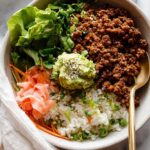
Korean Beef Bulgogi Rice Bowls Recipe
- Prep Time: 15 minutes
- Cook Time: 10 minutes
- Total Time: 25 minutes
- Yield: 4 – 5 servings
- Category: Main Course
- Method: Stovetop
- Cuisine: Korean
Description
Korean Beef Bulgogi Rice Bowls offer a quick and flavorful way to enjoy classic bulgogi flavors with ground beef, served over rice with fresh vegetables and a tangy drizzle sauce. This recipe combines a sweet and savory bulgogi sauce with tender, caramelized beef and vibrant, nutritious toppings for a balanced and satisfying meal perfect for weeknights.
Ingredients
Beef and Oil
- 500g / 1 lb beef mince (ground beef), any fat % you like
- 1 tbsp canola oil or any other plain flavored oil
- 2 tsp canola oil (to wilt baby spinach)
Bulgogi Sauce
- 1 tbsp onion, finely grated (~1/4 onion)
- 3 tbsp red apple, finely grated (skin on is fine, ~1/2 apple)
- 3 garlic cloves, finely grated
- 1 tsp ginger, finely grated
- 2 1/2 tbsp soy sauce – all-purpose or light
- 1 tbsp sesame oil
- 1 tbsp mirin (omit for no alcohol)
- 1 tbsp brown sugar
- 1/8 tsp black pepper
Rice Bowl Drizzle Sauce
- 2 tbsp soy sauce – all-purpose or light
- 1 tbsp sesame oil
- 2 tsp brown sugar
- 2 tsp rice vinegar (or apple cider vinegar)
Rice Bowl Ingredients
- White rice (medium or short grain, if you can)
- 4 large handfuls baby spinach (or similar chopped leafy greens – cabbage, kale)
- 1 large carrot, peeled and julienned or grated
- 1 avocado, mashed
- 1/4 cup pickled ginger (preferably pink for color)
- 1 1/2 cups baby cos / romaine lettuce, torn into bite size pieces
- 1 tsp white sesame seeds
- 1 green onion, finely sliced
Instructions
- Prepare Sauces: In a bowl, mix together all the ingredients for the Bulgogi sauce until well combined. In a separate bowl, whisk together the rice bowl drizzle sauce ingredients. Set both sauces aside to let flavors meld.
- Wilt Spinach: Heat 2 teaspoons of canola oil in a large non-stick pan over high heat. Add half of the baby spinach, toss with tongs until semi-wilted, about 30 seconds. Add the remaining spinach and continue tossing until fully wilted, about 1 minute. Remove spinach to a bowl and set aside.
- Cook Bulgogi Beef: Add 1 tablespoon of oil to the same pan and keep it on high heat. Add the ground beef and cook, breaking it apart, until no longer pink. Pour in the Bulgogi sauce and let it simmer rapidly, stirring occasionally until most of the sauce evaporates. Then continue cooking and stirring regularly until the beef develops a nice caramelized color but remains moist.
- Assemble Rice Bowls: Spoon a serving of cooked white rice into each bowl. Top with the cooked bulgogi beef, wilted spinach, and julienned carrot. Add a dollop of mashed avocado and a few pieces of pickled ginger. Tuck some baby cos or romaine lettuce down the side. Finish by sprinkling white sesame seeds and sliced green onion over the top. Serve with the drizzle sauce on the side to pour over just before eating.
Notes
- Apple and onion should be finely grated using a microplane or fine grater for maximum flavor release; apple adds natural sweetness and tenderizes meat.
- Soy sauce can be substituted with tamari for gluten-free options. Avoid dark soy sauce to prevent overpowering flavors.
- Mirin can be substituted with Chinese cooking wine or cooking sake plus 1/2 tsp brown sugar, or omitted to avoid alcohol.
- Leftover cooked beef can be refrigerated up to 3 days or frozen up to 3 months. Add a splash of water when reheating to keep moist.
Nutrition
- Serving Size: 1 bowl (approximately 1 cup cooked rice with toppings and beef)
- Calories: 480
- Sugar: 8g
- Sodium: 700mg
- Fat: 20g
- Saturated Fat: 5g
- Unsaturated Fat: 13g
- Trans Fat: 0g
- Carbohydrates: 45g
- Fiber: 5g
- Protein: 28g
- Cholesterol: 70mg