
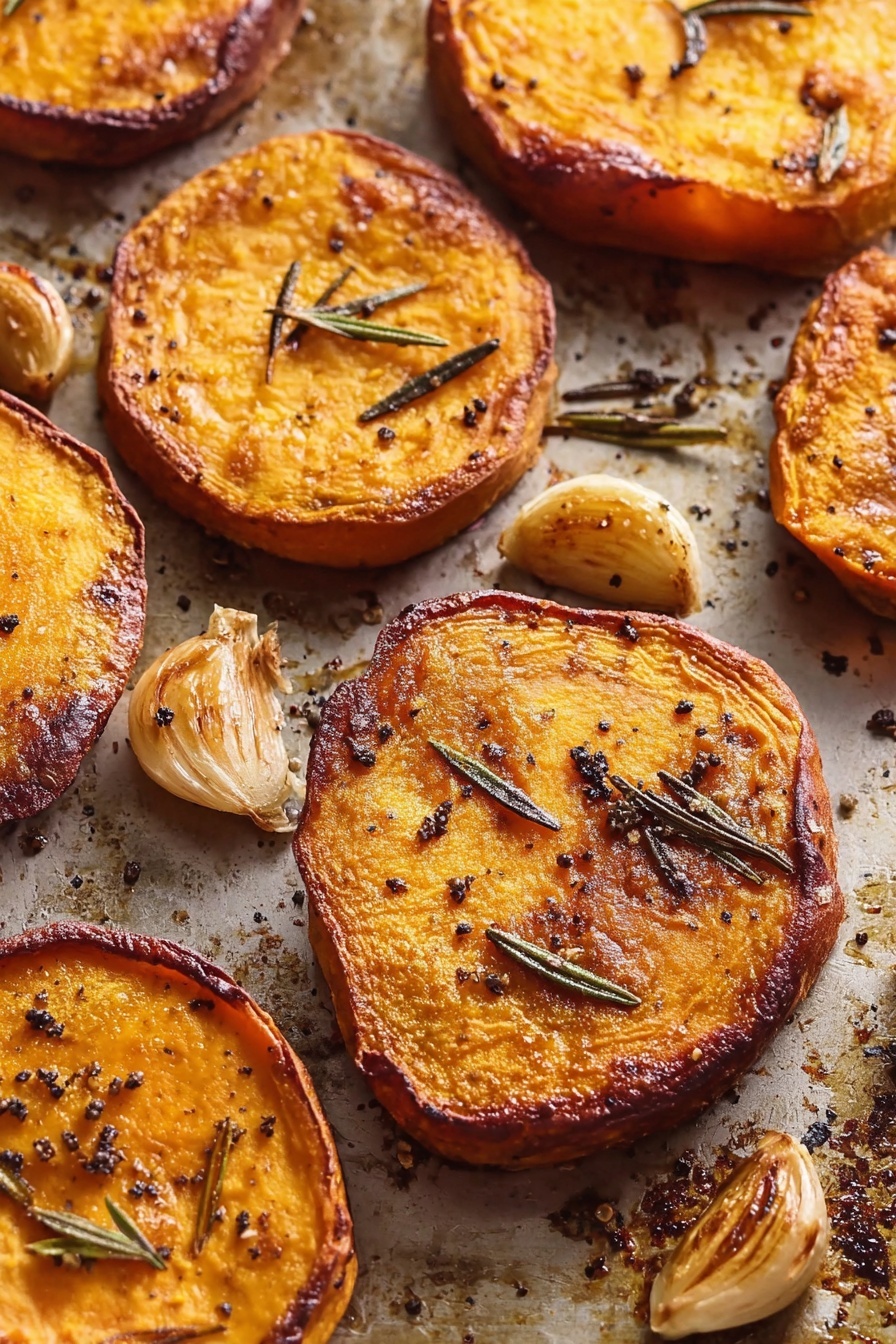
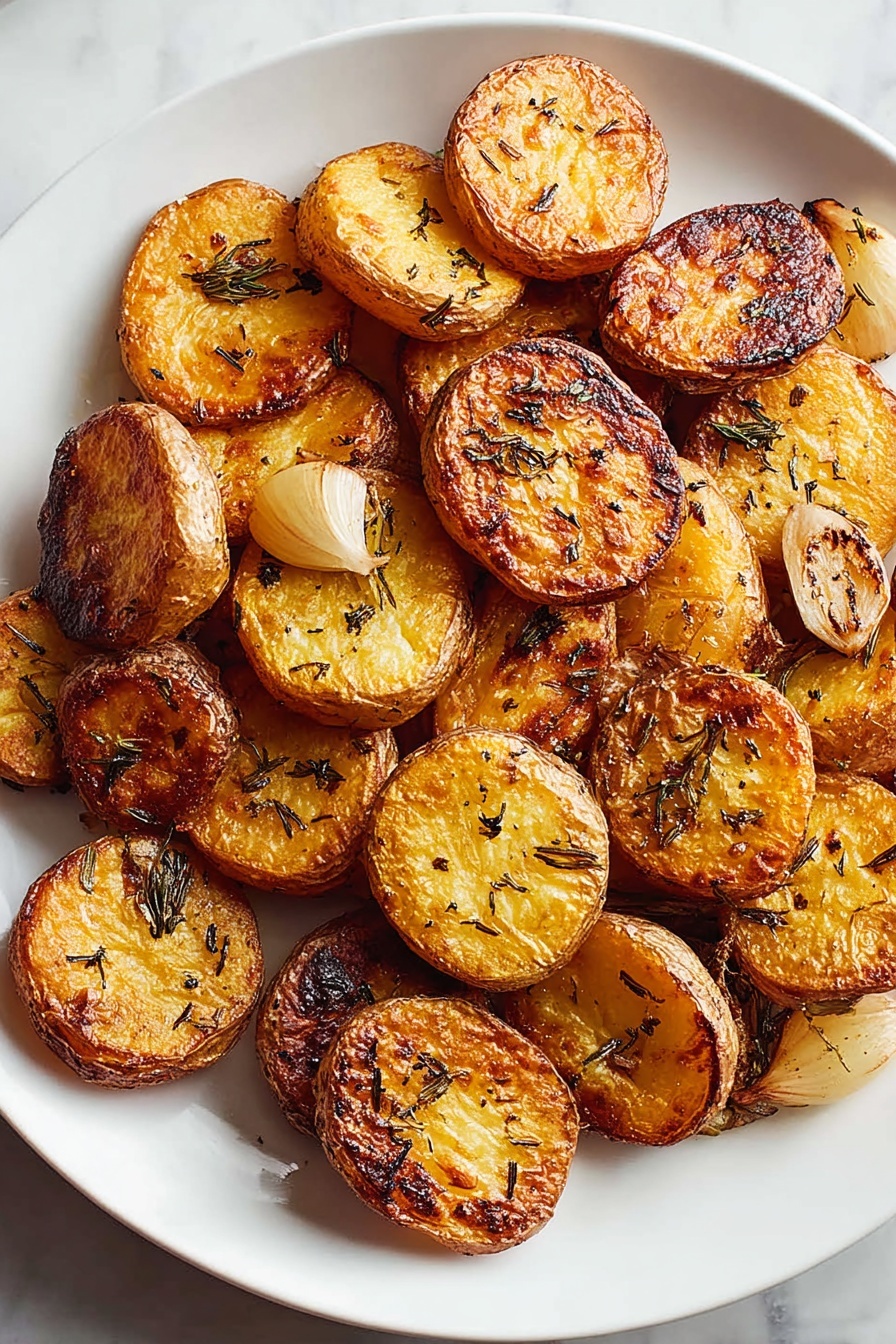
If you’re in the mood for a side dish that’ll get everyone asking for seconds, you’ve got to try this Melting Potatoes with Garlic and Rosemary Recipe. I absolutely love how these potatoes turn out—crispy and golden on the outside, and somehow irresistibly soft and tender inside. It’s one of those recipes where simple ingredients come together in such a magical way that you’ll find it quickly becoming a family favorite. Stick with me here, because I’ll walk you through every step to get these potatoes perfectly “melty” every single time.
Why You’ll Love This Recipe
- Perfect balance of textures: Crispy on the edges, meltingly tender in the center — all thanks to the unique roasting method.
- Simple ingredients, stunning flavor: Just garlic, rosemary, butter, and broth come together to create something unforgettable.
- Great for any occasion: Whether weeknight dinner or holiday feast, these potatoes always impress.
- Easy to master: I’ll share tips so you can avoid common pitfalls and have perfect potatoes every time.

Ingredients You’ll Need
The magic in this Melting Potatoes with Garlic and Rosemary Recipe lies in the simplicity and quality of the ingredients. Choosing the right potatoes and fresh rosemary really makes all the difference, and a good balance of butter and broth helps create that luscious texture you’ll adore.
- Unsalted butter: I like to melt it beforehand so it evenly coats the potatoes.
- Olive oil: Adds a subtle richness and helps achieve a golden crust.
- Kosher salt: Enhances the potato’s natural flavor without overwhelming.
- Freshly ground black pepper: Provides just the right amount of warmth and bite.
- Yukon gold or russet potatoes: Yukon golds offer creamy tenderness while russets crisp up beautifully; either works nicely.
- Fresh rosemary: Chopped coarsely to release those woodsy aromas without overpowering the dish.
- Low-sodium vegetable or chicken broth: Adds moisture and that “melting” texture without being too salty.
- Garlic cloves: Peeled and gently smashed to infuse the potatoes as they roast.
Variations
I like to keep this Melting Potatoes with Garlic and Rosemary Recipe pretty traditional, but it’s fun to make it your own. Don’t be afraid to tweak the herbs or swap the broth to fit your taste or dietary needs!
- Herb Swap: Sometimes, I substitute thyme or oregano for rosemary when I want a slightly different flavor profile—it still works beautifully.
- Broth Alternatives: If you want a vegetarian or vegan version, just use vegetable broth and olive oil instead of butter, and it still delivers.
- Spice It Up: Adding a pinch of smoked paprika or a dash of chili flakes kicked things up a notch for a little smoky heat.
- Cheesy Finish: Sprinkling parmesan over the potatoes during the last few minutes of roasting adds a nice golden, savory crust.
How to Make Melting Potatoes with Garlic and Rosemary Recipe
Step 1: Prep and Preheat for Crispy Success
First things first: get your oven ready by setting the rack in the middle and heating to 450°F. This high heat is critical because it helps develop that golden, crispy exterior that I absolutely love. While the oven’s warming, mix together the melted butter, olive oil, salt, and pepper in a small bowl so it’s ready to toss with the potatoes. Trust me, this blend not only flavors the potatoes but also promotes a beautiful crust.
Step 2: Slice the Potatoes Just Right
Peel the potatoes, if you like, or leave the skins on for extra texture and nutrients. I usually trim the ends slightly and then cut them crosswise into 1-inch thick rounds. Uniform thickness is key here because uneven slices could mean some pieces cook through faster than others, and nobody wants soggy halves or burnt edges.
Step 3: Coat and Arrange with Love
Place the potato rounds in your butter mixture along with the chopped rosemary and toss well to coat each piece. Here’s a little trick I learned: giving the potatoes a good toss ensures every bite is flavorful. Then arrange them in a single layer cut-side up in a rimmed metal baking pan or quarter sheet pan—skip glass here, as the broth added later can cause it to crack under high heat.
Step 4: Roast, Flip, and Roast Again
Pop the pan into the oven and roast for about 15 minutes until the potatoes release easily when you try to lift them with tongs and the bottoms start to golden. Flip each piece over carefully, then roast another 15 minutes so both sides develop that deep golden perfection. This step is where the magic starts to happen, and patience pays off big time.
Step 5: Garlic, Broth, and Final Roasting
Now for that secret to melt-in-your-mouth potatoes: pour the broth around the potatoes and nestle in the smashed garlic cloves. Return to the oven and roast until the potatoes are beautifully tender and most of the liquid is absorbed—about another 15 minutes. The broth infuses the potatoes with moisture and flavor, making them melt softly on your tongue.
Pro Tips for Making Melting Potatoes with Garlic and Rosemary Recipe
- Choose Uniform Potatoes: Picking potatoes of similar size helps ensure even cooking without guessing when to flip or check.
- Don’t Rush the Flip: Let the potatoes get golden and naturally release from the pan before flipping to avoid tearing.
- Use a Rimmed Metal Pan: Avoid glass pans—they don’t handle the high oven heat combined with broth well and can crack.
- Smashed Garlic is Key: Crushing rather than mincing the garlic helps keep it intact during roasting for a mellow, aromatic infusion.
How to Serve Melting Potatoes with Garlic and Rosemary Recipe
Garnishes
I love topping these melting potatoes with a sprinkle of fresh chopped parsley or extra rosemary for a fresh pop of color and flavor. A little flaky sea salt on top right before serving amps the seasoning and adds a satisfying crunch that everyone notices.
Side Dishes
These potatoes are perfect alongside roasted chicken, pan-seared steak, or even a cozy vegetable stew. For a full meal, I often pair them with a crisp green salad and some sautéed greens like spinach or kale to balance the richness.
Creative Ways to Present
For special gatherings, I’ve tried layering these potatoes in a rustic ceramic dish and topping with a drizzle of roasted garlic-infused olive oil and toasted pine nuts—it’s a showstopper! Serving in individual ramekins with a sprig of rosemary also adds a charming, personal touch.
Make Ahead and Storage
Storing Leftovers
After cooling, I store leftover potatoes in an airtight container in the fridge for up to 3 days. They maintain their flavor well and actually taste even better when reheated properly.
Freezing
Freezing works fairly well if you want to prep ahead. I lay the roasted potato rounds flat on a baking sheet to freeze individually first, then transfer them to a freezer bag. They thaw quickly and reheat nicely, but keep in mind the texture softens just a bit.
Reheating
To reheat, I prefer using a hot skillet or oven to revive the crispy edges—microwaving can make them soggy. A few minutes on medium heat in a non-stick pan with a tiny drizzle of oil works beautifully to warm through while bringing back the crunch.
FAQs
-
Can I use other types of potatoes for this recipe?
Absolutely! Yukon gold and russet potatoes work best because of their starch content, but red potatoes or fingerlings can be used if you adjust the cooking time slightly. Just aim for potatoes that roast well and have a creamy interior.
-
Do I have to peel the potatoes?
Not at all. Peeling is optional – the skins add texture and nutrition. If you prefer softer potatoes, peeling helps, but leaving skins on gives a rustic feel that’s delicious too.
-
What’s the purpose of roasting with broth and garlic at the end?
Adding broth and garlic during the final roasting stage adds moisture and deep flavor while helping the potatoes become meltingly tender inside. The broth slowly absorbs, resulting in a luscious texture you won’t get from dry roasting alone.
-
Can I make this recipe vegan?
Yes! Simply replace the butter with extra olive oil or a plant-based margarine, and use vegetable broth instead of chicken broth.
-
How do I keep the potatoes from sticking to the pan?
Using a rimmed metal baking pan and coating the potatoes well in butter and oil helps prevent sticking. Also, letting the potatoes roast undisturbed until they release naturally is key to easy flipping.
Final Thoughts
This Melting Potatoes with Garlic and Rosemary Recipe has become one of my go-to dishes because it’s comfort food at its finest—easy to make, bursting with flavor, and utterly satisfying. When I first tried it, I remember thinking, “Where has this been all my life?” I promise that once you make it, you’ll find yourself reaching for it again and again. So go ahead, give it a try—you’ll be so glad you did, and your family will thank you!
Print
Melting Potatoes with Garlic and Rosemary Recipe
- Prep Time: 10 minutes
- Cook Time: 45 minutes
- Total Time: 55 minutes
- Yield: 6 servings
- Category: Side Dish
- Method: Baking
- Cuisine: American
Description
These Best-Ever Melting Potatoes are thick-cut rounds of Yukon gold or russet potatoes roasted to golden perfection with a savory blend of butter, olive oil, garlic, and rosemary. The roasting process, enhanced with vegetable or chicken broth, renders the potatoes meltingly tender inside with a crispy, flavorful crust outside, making them a comforting and irresistible side dish.
Ingredients
Potatoes
- 2 pounds uniformly-sized Yukon gold or russet potatoes (4 to 5 medium)
Seasoning Mixture
- 2 tablespoons unsalted butter, melted
- 2 tablespoons olive oil
- 1 teaspoon kosher salt
- 1/2 teaspoon freshly ground black pepper
- 2 to 3 sprigs fresh rosemary, coarsely chopped (about 1 tablespoon)
Additional Ingredients
- 1 cup low-sodium vegetable or chicken broth
- 4 cloves garlic, peeled and smashed
Instructions
- Preheat and Prepare Seasoning: Arrange a rack in the middle of the oven and preheat to 450°F (232°C). In a small bowl, stir together the melted unsalted butter, olive oil, kosher salt, and freshly ground black pepper to create a flavorful coating for the potatoes.
- Prepare Potatoes: Peel the potatoes if desired. Trim the rounded ends slightly for uniform slices, then cut the potatoes crosswise into 1-inch thick rounds to ensure even roasting and soft interiors.
- Coat Potatoes: Place the potato rounds in a large bowl and add the chopped rosemary along with the prepared butter and oil mixture. Toss well to coat all potato pieces evenly with the seasoning and herbs.
- Arrange for Roasting: Transfer the coated potatoes to a rimmed 9×13-inch metal baking pan or a quarter sheet pan, laying them cut side up in a single layer. Drizzle any remaining butter mixture over the top to maximize flavor and browning potential.
- First Roast: Roast the potatoes in the preheated oven until they start to easily release from the pan when lifted with tongs and the bottoms begin turning golden brown, about 15 minutes.
- Flip and Continue Roasting: Carefully flip the potato rounds over and continue roasting for an additional 15 minutes, until both the bottoms and tops are a deep golden brown color.
- Add Broth and Garlic: Remove the pan from the oven and carefully pour the cup of low-sodium vegetable or chicken broth into the pan. Add the peeled and smashed garlic cloves to the liquid and potatoes to infuse flavor during the final roasting stage.
- Final Roast and Tenderize: Return the pan to the oven and roast until the potatoes are very tender and most of the broth has absorbed into them, about 15 more minutes, giving you meltingly soft, richly flavored potatoes.
Notes
- Using thick potato rounds enables the interior to become meltingly tender while the exterior crisps up beautifully.
- Vegetable or chicken broth adds moisture and enhances the savory depth of flavor without overpowering the delicate potato taste.
- Ensure to use a metal baking pan rather than glass to prevent breakage at high oven temperatures.
- Flipping the potatoes halfway through roasting promotes even browning on both sides.
Nutrition
- Serving Size: 1 serving (about 1/6 of recipe)
- Calories: 208
- Sugar: 1.9 g
- Sodium: 381 mg
- Fat: 9.0 g
- Saturated Fat: 3.2 g
- Unsaturated Fat: 5.8 g
- Trans Fat: 0 g
- Carbohydrates: 28.7 g
- Fiber: 3.3 g
- Protein: 4.3 g
- Cholesterol: 0 mg