

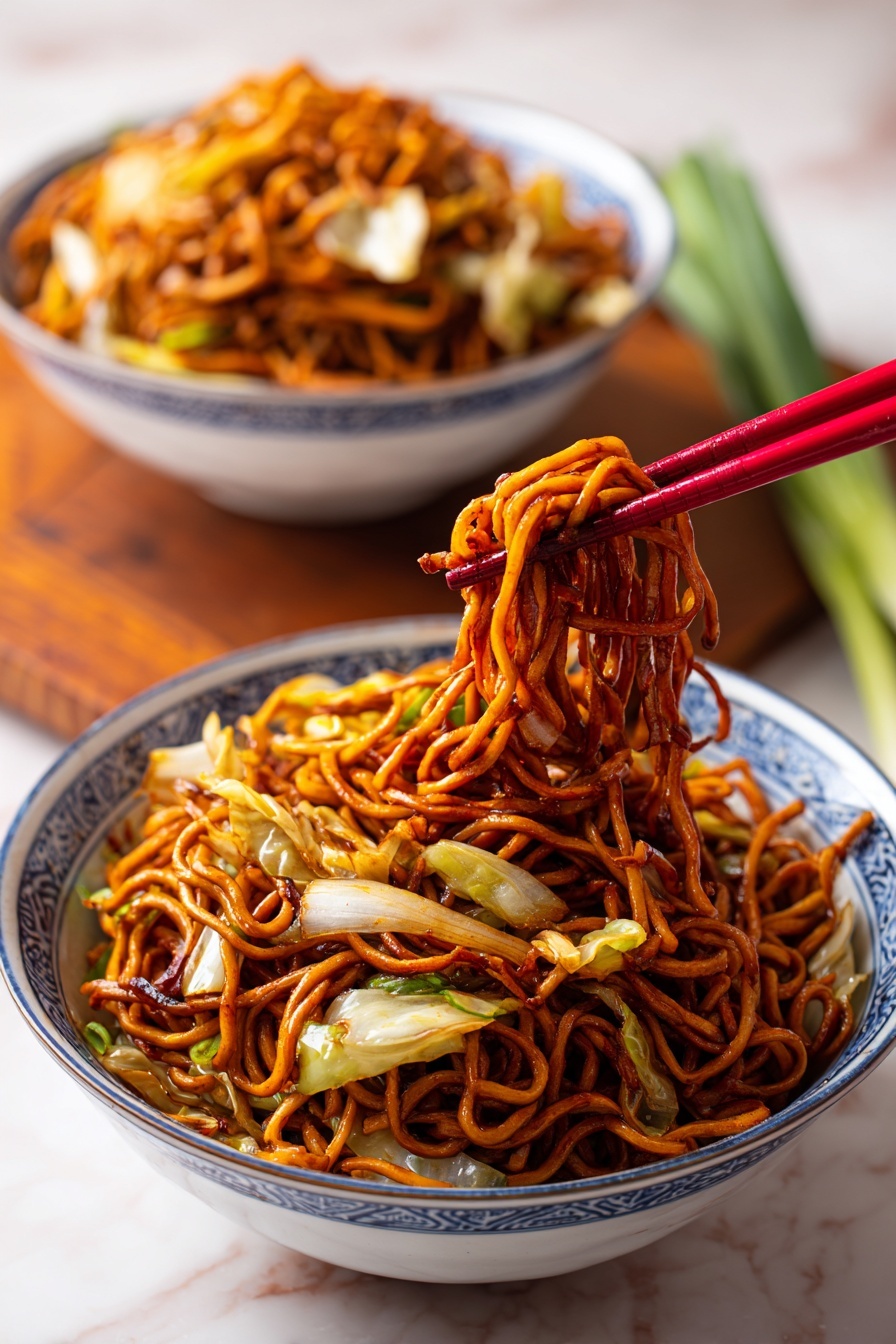
If you’re craving takeout but want to whip up something fresher and tastier at home, you need to try this Restaurant-Style Chicken Lo Mein Recipe. It’s the perfect balance of tender chicken, crisp veggies, and silky noodles, all tossed in a savory sauce that’s bursting with flavor. When I first tried this, I couldn’t believe how close it tasted to the best lo mein I’ve had in restaurants—maybe even better because you control all the ingredients. Keep reading, and I’ll walk you through every step so your lo mein turns out just right every single time.
Why You’ll Love This Recipe
- Authentic Taste: The sauce blend and cooking technique give you true restaurant-quality flavor at home.
- Quick and Easy: Ready in just about 30 minutes, perfect for busy weeknight dinners.
- Flexible Ingredients: Use chicken thighs or breast, fresh veggies, and noodles you can find easily.
- Family Approved: It’s a recipe my whole family goes crazy for—kids included!

Ingredients You’ll Need
Each ingredient in this Restaurant-Style Chicken Lo Mein Recipe plays a role in creating that perfect balance of texture and flavor you’ll crave. Using fresh lo mein egg noodles makes all the difference, but I’ll share a few tips so you know how to prep them right.
- Fresh lo mein egg noodles: Fresh is best if you can find it; just make sure to check if they’re raw or pre-cooked so you know whether to boil them first.
- Boneless skinless chicken thighs: I prefer thighs for juiciness and flavor, but breast works fine if you want leaner meat—just slice thinly.
- Cornstarch: Helps give the chicken a velvety texture and locks in moisture when tossed before cooking.
- Oyster sauce: Adds that deep, savory umami punch that makes the sauce taste rich and complex.
- Light and dark soy sauce: Using both layers the salty and slightly sweet flavors nicely—dark soy is key for color.
- Shaoxing wine: This Chinese cooking wine brightens the stir-fry and adds a subtle aromatic note.
- Garlic: Freshly minced garlic brings that mouthwatering aroma you want in lo mein.
- Cabbage, carrots, bean sprouts, and scallions: These add freshness, crunch, and sweetness for perfect texture contrast.
- Sesame oil and white pepper: A little bit goes a long way to infuse that signature nutty aroma and gentle heat.
Variations
Customize this Restaurant-Style Chicken Lo Mein Recipe your way! I love switching things up depending on what’s in season or what my family’s craving. Don’t hesitate to swap veggies or proteins — the flexibility is part of the fun.
- Vegetarian version: I’ve replaced the chicken with firm tofu and upped the veggies—still delicious and just as satisfying.
- Spicy kick: If you like heat, stir in a teaspoon of chili garlic sauce or sprinkle crushed red pepper flakes during the last minute of cooking.
- Different proteins: Shrimp or thinly sliced beef work beautifully, just adjust cooking times so nothing overcooks.
- Gluten-free tweak: Try rice noodles instead of egg noodles and tamari in place of soy sauce to accommodate gluten sensitivities.
How to Make Restaurant-Style Chicken Lo Mein Recipe
Step 1: Prep Your Noodles Like a Pro
The first thing to figure out is whether your lo mein noodles are raw or already cooked. I learned this the hard way the first time! Raw noodles need a quick boil before stir-frying, while pre-cooked noodles just need to come to room temperature so they separate easily. This little step keeps your noodles from turning mushy or sticking together once in the wok.
Step 2: Marinate the Chicken for Flavor and Tenderness
In a medium bowl, toss the thinly sliced chicken thighs with cornstarch, water, oil, and oyster sauce. This combo gives the chicken a silky coating and locks in juices during cooking. I usually let mine sit for 10–15 minutes while I prep the rest—makes a noticeable difference in tenderness.
Step 3: Mix the Sauce that Brings It All Together
Whisk together hot water, salt, and sugar until dissolved, then add the light and dark soy sauces, sesame oil, and white pepper. This sauce is the soul of your lo mein. I always taste it and tweak with more sugar or soy depending on my mood. It’s super easy but so flavorful.
Step 4: Sear the Chicken to Juicy Perfection
Heat your wok on high, add a couple tablespoons of oil, and sear the chicken until it just browns—about 2 minutes per side. Don’t overcrowd the pan; get a nice sear for flavor but keep it moist inside. Remove chicken and set aside.
Step 5: Stir-Fry the Vegetables with Love
Add more oil, toss in your garlic, and quickly add cabbage and carrots after about 10 seconds. Stir them vigorously on high heat for a minute to keep that crunch. Then pour shaoxing wine around the wok’s edges for a hit of aroma and deglazing—trust me, it amps up the flavors.
Step 6: Combine Everything and Finish with a Steam
Return the chicken and noodles to the wok, add your sauce, and stir well from the bottom so everything gets coated. After about 30 seconds, lower heat to medium and cover the wok for a minute to let the flavors meld and noodles soften slightly. If things look dry, splash in some water or stock—this trick keeps your lo mein silky and loose.
Step 7: Final Touches and Serve
Uncover, toss in mung bean sprouts and scallions, stir-fry for another minute, and you’re done! The bean sprouts add freshness and crunch, while scallions bring that bright finish. Plate it up and get ready for compliments.
Pro Tips for Making Restaurant-Style Chicken Lo Mein Recipe
- Noodle Prep Matters: Always separate noodles gently with your fingers after boiling to avoid clumps, and toss with a bit of oil if not cooking immediately.
- High Heat for Stir-Frying: My best advice is to keep your wok or pan screaming hot; this gives you those signature wok hei flavors and textures.
- Don’t Overcrowd the Pan: Cook chicken and veggies in batches if needed to keep everything crisp and brown, not steamed.
- Use Fresh Ingredients: Fresh garlic, crunchy veggies, and quality sauces will elevate flavor far beyond shortcuts or bottled mixes.
How to Serve Restaurant-Style Chicken Lo Mein Recipe
Garnishes
I like to sprinkle some toasted sesame seeds on top for extra nutty crunch, and sometimes a drizzle of chili oil if we’re feeling spicy. Fresh cilantro or a wedge of lime brightens it up nicely, too. These little touches make a simple dish feel special.
Side Dishes
My go-to sides are steamed dumplings or hot and sour soup—both complement the lo mein beautifully. Steamed or roasted broccoli tossed in a little garlic butter is another favorite; it adds a fresh, green contrast without overpowering the dish.
Creative Ways to Present
For dinner parties, serving the lo mein in small individual bowls garnished with scallions and a sprinkle of toasted sesame seeds feels elegant and personable. I’ve also wrapped portions in lettuce leaves for a fun handheld version that’s always a hit with guests.
Make Ahead and Storage
Storing Leftovers
After letting your lo mein cool to room temperature, I store leftovers tightly covered in the fridge for up to 3 days. When you reheat, adding a splash of water helps loosen the noodles back up and keeps the dish moist.
Freezing
I’ve frozen this lo mein once or twice when life got busy, and while the texture softens a bit, it still tastes great. Portion it into airtight containers and thaw overnight in the fridge before reheating for best results.
Reheating
Reheat leftovers in a hot skillet or wok over medium-high heat, stirring frequently. Add 2–3 tablespoons of water or broth to mimic the fresh stir-fry moisture and prevent dryness. Avoid microwaving if possible—it tends to make the noodles gummy.
FAQs
-
Can I use chicken breast instead of thighs in this Restaurant-Style Chicken Lo Mein Recipe?
Absolutely! Chicken breast works fine, but since it’s leaner, be sure to slice it thinly and avoid overcooking to keep it tender. Marinating it in cornstarch and oyster sauce as the recipe suggests really helps maintain moisture regardless of the cut.
-
How do I make sure my noodles don’t stick together?
The key is to separate the noodles gently after boiling by tossing them lightly with a bit of oil. Also, avoid stirring too aggressively once you combine them in the wok; using high heat and quick, gentle tosses keeps them from turning mushy or clumping up.
-
Can I substitute vegetables in this recipe?
Definitely! Feel free to swap cabbage, carrots, or bean sprouts for whatever veggies you have on hand—snap peas, bell peppers, or bok choy are great alternatives. Just add them according to their cooking times to keep everything crisp and vibrant.
-
What’s the difference between light soy and dark soy sauce?
Light soy sauce is saltier and thinner, used mostly for seasoning, while dark soy sauce is thicker, slightly sweet, and adds rich color to dishes. Using both in this lo mein sauce balances flavor and gives the noodles that appetizing golden brown hue.
Final Thoughts
I absolutely love how this Restaurant-Style Chicken Lo Mein Recipe lets me enjoy my favorite takeout dish in the comfort of home—and honestly, it’s become a staple in my dinner rotation. The flavors are bold but balanced, and the textures are spot-on every time I make it. Once you try this, you’ll notice the difference fresh ingredients and homemade sauce bring compared to what’s out there. Give it a go—you’ll be hooked, and I can’t wait to hear how your lo mein turns out!
Print
Restaurant-Style Chicken Lo Mein Recipe
- Prep Time: 20 minutes
- Cook Time: 10 minutes
- Total Time: 30 minutes
- Yield: 6 servings
- Category: Main Dish
- Method: Stovetop
- Cuisine: Chinese
Description
Experience the authentic taste of restaurant-style chicken lo mein made easily at home with fresh egg noodles, tender chicken thighs, crisp vegetables, and a savory soy-based sauce. This quick stir-fry recipe combines classic Asian flavors with simple ingredients for a satisfying meal perfect for any weeknight dinner.
Ingredients
Noodles
- 1 pound fresh lo mein egg noodles
Chicken Marinade
- 8 oz. boneless skinless chicken thighs (or chicken breast, cut into thin strips)
- 2 teaspoons cornstarch
- 2 teaspoons water
- 2 teaspoons oil (plus more for cooking)
- 1 teaspoon oyster sauce
Sauce
- 2 tablespoons hot water
- 1/8 teaspoon salt
- 1/8 teaspoon sugar
- 1 tablespoon light soy sauce
- 4 teaspoons dark soy sauce
- 1 teaspoon sesame oil
- 1/8 teaspoon white pepper
Vegetables & Aromatics
- 1 clove garlic (minced)
- 4 cups cabbage (shredded)
- 2 medium carrots (julienned – about 1 1/2 cups)
- 1 tablespoon shaoxing wine
- 2 cups mung bean sprouts
- 2 scallions (julienned)
Instructions
- Prepare the Noodles: Determine whether your lo mein noodles are raw or pre-cooked. If raw, boil them according to package instructions until al dente, then drain. If pre-cooked, bring them to room temperature before cooking. This ensures the noodles will stir-fry evenly without becoming mushy.
- Marinate the Chicken: In a medium bowl, combine the chicken strips with cornstarch, water, oil, and oyster sauce. Toss well to coat evenly and let sit for a few minutes to tenderize and enhance flavor.
- Make the Sauce: In a separate bowl, mix hot water, salt, and sugar until dissolved. Add light soy sauce, dark soy sauce, sesame oil, and white pepper. Stir thoroughly to create the flavorful sauce that will season the noodles and veggies.
- Cook the Chicken: Heat a wok over high heat and add 2 tablespoons of oil. Sear the marinated chicken for 2-3 minutes until browned and cooked through. Remove chicken from the wok and set aside to prevent overcooking.
- Stir-Fry Vegetables: Add an additional 2 tablespoons of oil to the hot wok. Quickly sauté the minced garlic for about 10 seconds until fragrant, then add shredded cabbage and julienned carrots. Stir-fry on high heat for about 1 minute. Pour shaoxing wine in a circular motion around the wok to deglaze and add aroma.
- Combine Noodles and Chicken: Return the cooked chicken and noodles to the wok. Pour the sauce mixture over the noodles and gently toss everything from the bottom up for approximately 30 seconds to coat evenly.
- Steam and Final Stir-Fry: Reduce heat to medium, cover the wok, and let the mixture steam for 1 minute to meld flavors. Remove the lid, stir-fry briefly. If the noodles seem dry, add 1/4 cup water or stock and continue stir-frying until noodles are loose, slippery, and thoroughly heated.
- Add Final Touches: Stir in mung bean sprouts and julienned scallions. Stir-fry for one more minute to combine all ingredients and retain the crisp texture of the veggies.
- Serve: Remove from heat and serve hot for a delicious homemade chicken lo mein experience.
Notes
- This chicken lo mein recipe is surprisingly easy to make at home and tastes better than most takeout versions.
- Using fresh noodles provides the best texture but dried lo mein noodles can be substituted with proper boiling.
- Adjust the soy sauce amounts to taste for saltiness preference.
- Shaoxing wine can be omitted or substituted with dry sherry if unavailable.
- For a spicier kick, add chili garlic sauce or fresh sliced chilies during the vegetable stir-fry step.
Nutrition
- Serving Size: 1 serving
- Calories: 306 kcal
- Sugar: 4 g
- Sodium: 502 mg
- Fat: 5 g
- Saturated Fat: 1 g
- Unsaturated Fat: 3.5 g
- Trans Fat: 0 g
- Carbohydrates: 42 g
- Fiber: 3 g
- Protein: 13 g
- Cholesterol: 58 mg